
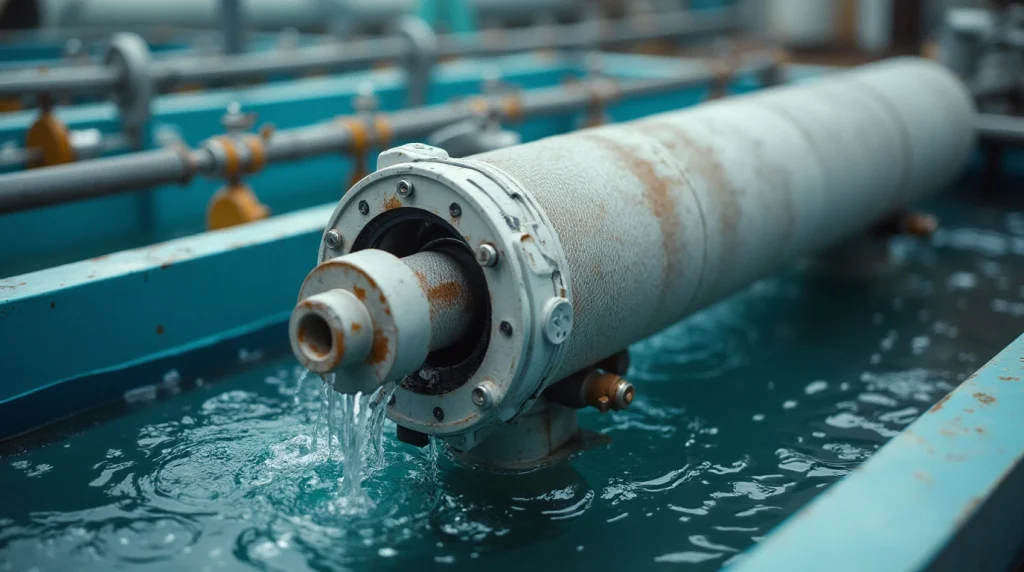
A drum filter is an important piece of equipment in water filtration that operates using a movable screen (drum) submerged in water. This drum is made from durable, corrosion-resistant materials and is designed to separate suspended particles and pollutants from the water. In this system, contaminated water passes through the drum filters, and suspended particles such as waste, food residues, and other small contaminants are removed. As a result, the water exiting the filter is clean and of high quality, making it suitable for reuse in the aquaculture system.
One of the major challenges in the aquaculture industry is maintaining high water quality. Poor water quality can have many negative effects on the growth and health of aquatic organisms. Pollutants and suspended particles in the water can reduce the dissolved oxygen levels, lead to diseases, and even cause the death of aquatic species. Therefore, water purification and maintaining optimal conditions for the growth and reproduction of aquatic organisms are of utmost importance.
With its effective operation in removing suspended particles, biological contaminants, waste, food residues, and other pollutants, the drum filter can significantly improve water quality. The use of these filters increases water clarity, reduces unpleasant odors, and maintains a balanced dissolved oxygen level in the water. This efficient filtration creates more favorable living conditions for aquatic organisms, allowing them to grow faster and healthier.
Reduction of Water Change Requirements: One of the main challenges in aquaculture systems is the need for frequent water changes to maintain its quality. This not only increases water consumption but also leads to significant costs. Drum filters, by purifying the water and removing suspended particles, help maintain water quality and reduce the need for frequent water changes. This not only saves water but also reduces the costs associated with supplying new water.
Reduction of Medication and Treatment Costs: Polluted water can create an environment conducive to the growth of bacteria, fungi, and other pathogens, which can lead to rapid disease outbreaks among aquatic organisms. As a result, aquaculture producers are forced to use various medications to treat diseases and control contamination. By using drum filters, which effectively remove pollutants in the water, the likelihood of disease outbreaks is reduced, thereby significantly lowering medication and treatment costs.
Increased Efficiency of Systems and Equipment: By removing suspended particles and pollutants from the water, drum filters help reduce the strain on water filtration systems, pumps, filters, and other equipment. This reduction in strain increases the lifespan of equipment and lowers maintenance and repair costs for various systems. Additionally, the optimized performance of systems reduces unexpected failures and additional costs.
Reduction in Energy Consumption: Another important benefit of drum filters is the reduction in energy consumption. These filters typically consume less energy compared to traditional water filtration systems. While older systems require large pumps and complex filtration setups that consume high amounts of energy, drum filters, with their simpler and more efficient design, use less energy, thus reducing energy costs.
Increased Production Performance: The use of drum filters provides better living conditions for aquatic organisms. These organisms live in a higher-quality environment, allowing them to easily absorb the nutrients they need. These conditions lead to faster growth, improved immune systems, and ultimately, increased aquaculture production. The result is higher productivity and profitability for producers.
Reduction of Costs Associated with Chemical Pollution: In some cases, chemical pollutants such as heavy metals or organic materials may enter the aquaculture water. These pollutants can have negative effects on the health of aquatic organisms and the quality of the products. Drum filters, by absorbing and removing these pollutants, help maintain water quality and reduce the need for chemicals to purify the water.
The use of drum filters in the aquaculture industry not only improves water quality but also significantly reduces operational costs. These systems, by effectively purifying water and removing suspended particles, help reduce the need for water changes, therapeutic medications, energy consumption, and equipment maintenance costs. Additionally, by providing a healthy and optimal environment for aquatic organisms, they increase growth rates and production efficiency, ultimately leading to cost reductions and enhanced profitability in the aquaculture industry. Therefore, investing in the use of drum filters can be an effective and cost-efficient solution for reducing costs and improving performance in aquaculture.