
shrimp nursery
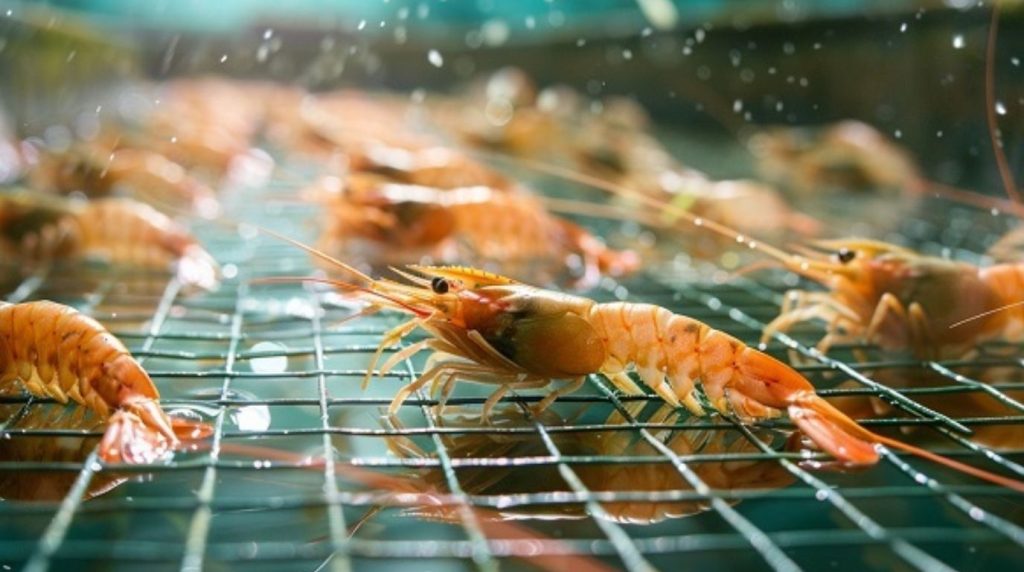
The shrimp nursery is a transitional phase in shrimp aquaculture, bridging the gap between hatchery and grow-out stages. In this stage, postlarvae are reared under controlled conditions to strengthen their health, improve survival rates, and ensure uniform growth before being transferred to grow-out ponds. A well managed shrimp nursery system can significantly increase production efficiency by reducing early mortality and minimizing stress on juvenile shrimp. These systems also allow better control of water quality, feeding, and disease management. However, shrimp nursery operations face several challenges, including the need for precise environmental control, high operational costs, and the risk of disease outbreaks due to stocking density. Despite these challenges, the benefits of incorporating a nursery phase are increasingly recognized in commercial shrimp farming. As global demand for shrimp continues to rise, optimizing the shrimp nursery process remains a key strategy for sustainable and profitable aquaculture.
What is a Shrimp Nursery?
A shrimp nursery is a specialized intermediate facility in shrimp aquaculture where postlarval shrimp (PL) are reared before being transferred to grow out ponds or tanks. This phase typically lasts from 2 to 4 weeks and plays a vital role in enhancing shrimp survival, uniformity, and adaptability to changing environmental conditions. In the nursery phase, shrimp postlarvae usually at PL5 to PL15 stages are kept in high-density, controlled environments such as indoor tanks, raceways, or lined ponds. These systems are designed to provide optimal water quality, stable temperature, appropriate salinity, and high-quality nutrition. By maintaining such conditions, the nursery system helps reduce early-stage mortality, supports faster growth, and improves the shrimp’s immune response. The shrimp nursery acts as a buffer zone, allowing producers to closely monitor and condition young shrimp before exposing them to the less predictable conditions of outdoor grow-out systems. Moreover, the nursery enables better biosecurity and disease control, reducing the risk of outbreaks that can devastate entire crops. As global shrimp farming becomes more intensive and biosecure, incorporating a nursery stage has become a best practice in many successful aquaculture operations.
The Importance of Shrimp Nursery
The shrimp nursery phase holds critical importance in shrimp aquaculture, as it directly impacts the overall productivity and profitability of the farming operation. This intermediate stage serves as a vital bridge between the vulnerable postlarval shrimp produced in hatcheries and the larger juveniles raised in grow-out ponds. One of the primary reasons the shrimp nursery is essential is its role in improving survival rates. Postlarvae are particularly sensitive during their early development and can suffer high mortality when transferred directly from hatcheries to grow-out environments. The nursery provides a controlled, low-stress environment where shrimp can acclimate to conditions such as water quality, temperature, and stocking densities, reducing shock and disease susceptibility. Additionally, the nursery phase promotes uniform growth by allowing farmers to better manage feeding, water parameters, and health monitoring. This results in healthier, stronger juveniles that perform better in the grow-out stage, ultimately leading to higher yields. Furthermore, incorporating a nursery phase enhances biosecurity measures, minimizing the risk of disease outbreaks a major challenge in intensive shrimp farming. Overall, the shrimp nursery is a key step in ensuring sustainable and efficient shrimp production.
Proper Feeding in Shrimp Nursery
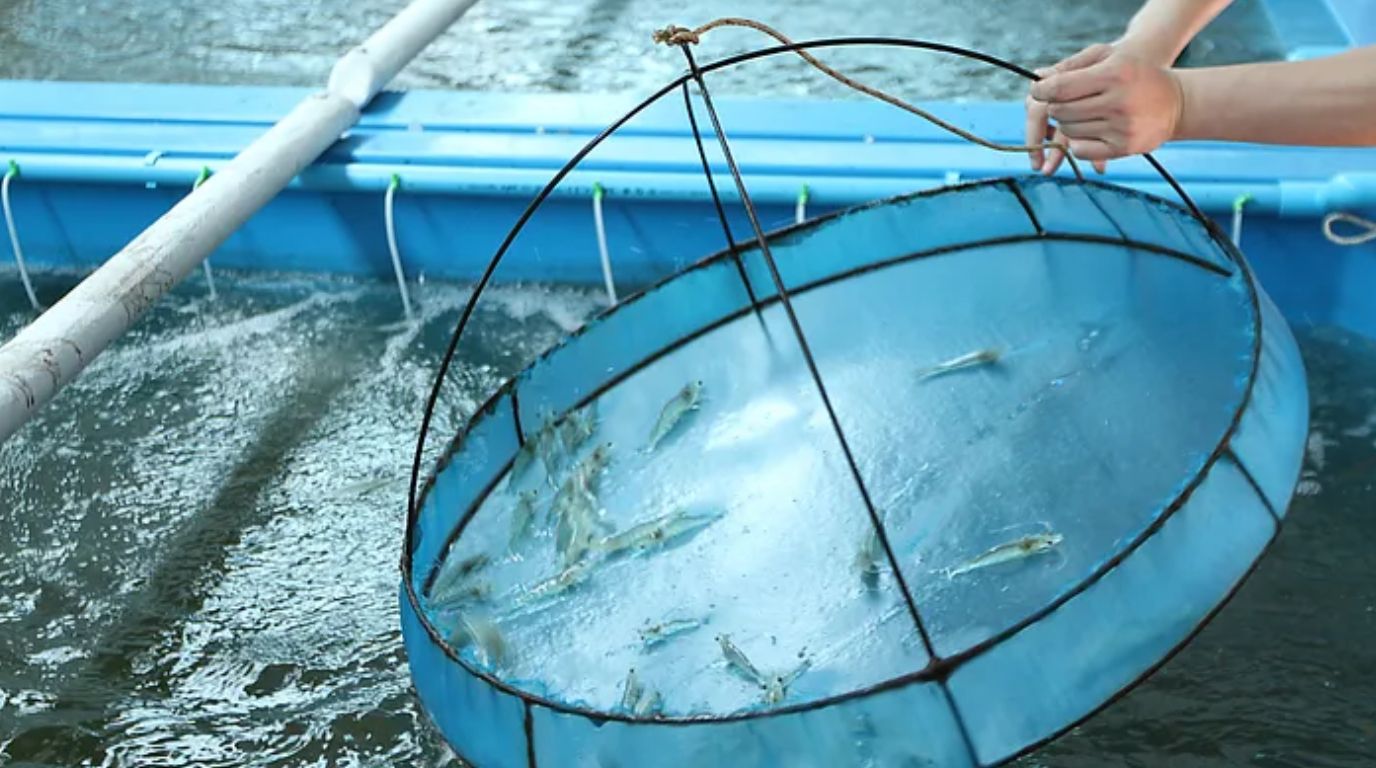
Proper feeding is a cornerstone of successful shrimp nursery management, directly influencing growth rates, survival, and overall shrimp health. During the nursery phase, shrimp postlarvae have high nutritional demands as they undergo rapid development and physiological changes. Feeding in shrimp nurseries typically involves providing highly digestible, nutrient-rich diets that include essential proteins, lipids, vitamins, and minerals. Commercial starter feeds designed specifically for postlarvae are widely used, often supplemented with live feeds such as Artemia (brine shrimp) nauplii or microalgae to enhance palatability and nutrition. Feeding frequency is also critical; shrimp in the nursery should be fed multiple times a day in small amounts to prevent overfeeding and maintain water quality. Uneaten feed can degrade water parameters, increasing the risk of disease and stress. Additionally, monitoring feeding behavior and adjusting feed types and quantities based on shrimp size and growth is important to optimize feed conversion ratios and minimize waste. In summary, proper feeding strategies in the shrimp nursery are essential for maximizing survival, promoting healthy growth, and preparing juveniles for the subsequent grow out phase.
Disease Control in Shrimp Nursery
Disease control is a critical aspect of managing shrimp nurseries, as the high stocking densities and delicate health status of postlarvae make them particularly vulnerable to pathogens. Effective disease prevention and management strategies are essential to minimize mortality and ensure healthy shrimp development. Maintaining optimal water quality is the first line of defense against diseases in shrimp nurseries. Parameters such as temperature, salinity, pH, dissolved oxygen, and ammonia levels must be closely monitored and controlled to reduce stress and inhibit pathogen growth. Regular water exchange or use of biofiltration systems helps maintain a clean environment. Biosecurity measures, including disinfection of equipment, quarantine of new postlarvae batches, and restricted access to nursery facilities, are fundamental to preventing disease introduction and spread. The use of probiotics and immunostimulants has also gained popularity as a natural means to enhance shrimp immune responses. Early detection through regular health monitoring and diagnostic testing allows for timely intervention. In case of outbreaks, treatment options may include medicated feeds, water treatments, or adjusting environmental conditions to suppress pathogens. Overall, rigorous disease control practices in the shrimp nursery phase are vital for sustainable shrimp farming and improved production outcomes.
Environmental Conditions in Shrimp Nursery
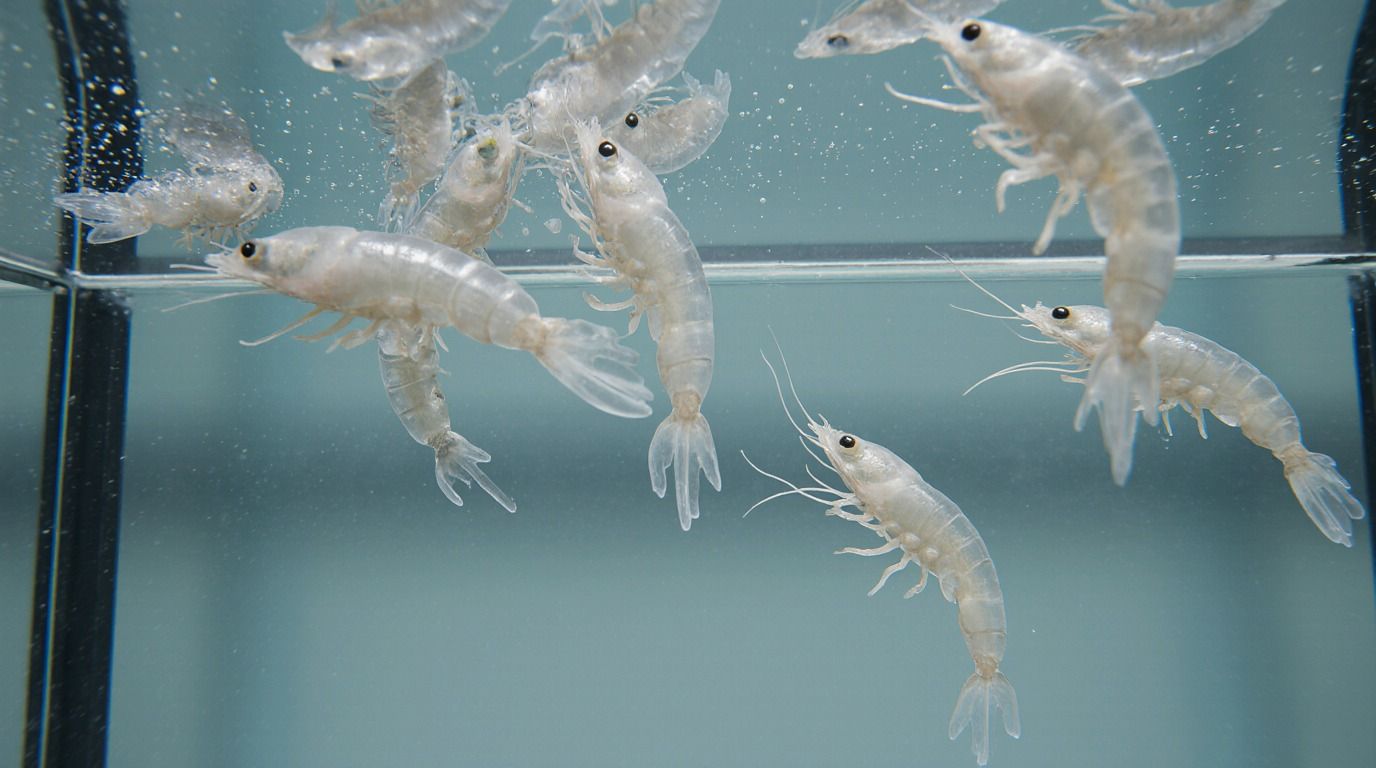
Maintaining optimal environmental conditions is crucial for the success of a shrimp nursery. Key factors such as temperature, salinity, pH, dissolved oxygen, and ammonia levels must be carefully monitored and controlled to ensure healthy growth and high survival rates of postlarvae. The ideal water temperature in shrimp nurseries typically ranges between 28°C and 32°C, which promotes metabolism and growth. Salinity levels should be stable, usually between 15 to 25 ppt, depending on the species. pH values are best kept around neutral, between 7.5 and 8.5, to avoid stress. Adequate dissolved oxygen levels, ideally above 5 mg/L, are necessary to support respiration and metabolic processes. Ammonia and nitrite concentrations must be minimized through efficient water exchange or biofiltration, as these compounds are toxic to shrimp. Maintaining these stable environmental parameters reduces stress and disease risk, helping postlarvae develop into healthy juveniles ready for the grow out stage.
Conclusion
The early rearing phase in shrimp aquaculture plays a crucial role in ensuring strong survival rates, healthy growth, and efficient production. By offering a carefully controlled environment tailored to the needs of young shrimp, this stage bridges the gap between the hatchery and the grow-out ponds, significantly reducing early stage mortality. Proper feeding practices during this period support balanced nutrition, while strong biosecurity and disease management strategies help prevent pathogen outbreaks. Maintaining stable environmental conditions such as optimal temperature, salinity, and oxygen levels is also vital for minimizing stress and promoting healthy development. Although this intermediate phase may require additional infrastructure and management, its benefits are clear: improved uniformity in size, reduced losses, and better preparation for the grow-out stage. As shrimp farming continues to expand globally, optimizing this phase will be key to building more sustainable and productive aquaculture systems.
Read more: RAS Aquaculture