
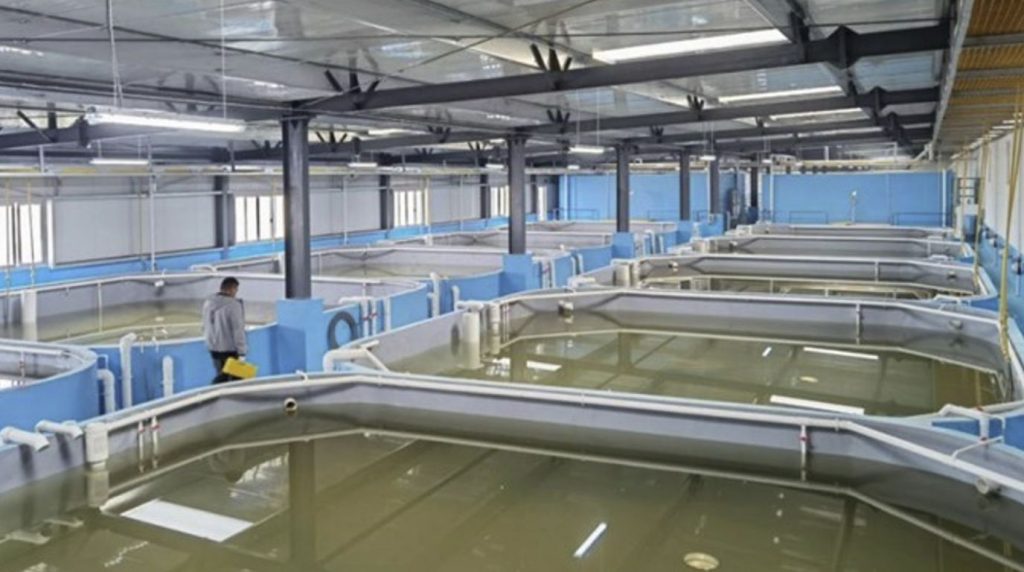
Shrimp RAS farming is an innovative and sustainable method for shrimp production that utilizes Recirculating Aquaculture Systems (RAS) to minimize water usage and maximize biosecurity. Unlike traditional open-pond systems, RAS enables precise control over environmental parameters such as water quality, temperature, oxygen levels, and waste management—leading to improved shrimp health, faster growth rates, and reduced disease outbreaks. As global demand for shrimp continues to rise, conventional farming methods are increasingly criticized for their environmental impact, including water pollution, habitat destruction, and overuse of antibiotics. In contrast, RAS offers a more eco-friendly alternative by recycling over 90% of water, limiting effluents, and providing a closed-loop system that can be operated even in landlocked regions far from coastal areas. This article explores the key aspects of shrimp RAS farming, including its advantages over traditional systems, critical water management practices, optimal system design, feeding strategies, and overall sustainability. We will also address the health and nutritional needs of shrimp in RAS environments and evaluate the economic feasibility of implementing these systems on a commercial scale. Through this overview, readers will gain a comprehensive understanding of why RAS technology is increasingly becoming the future of shrimp aquaculture.
Shrimp RAS farming refers to the cultivation of shrimp within a Recirculating Aquaculture System (RAS), a highly controlled and self-contained aquaculture method. In this system, water is continuously filtered and reused through mechanical and biological processes, drastically reducing the need for water exchange with the external environment. This closed-loop approach enables farmers to maintain optimal water quality, reduce disease risks, and achieve higher stocking densities compared to traditional pond systems. The RAS setup typically includes tanks, biofilters, mechanical filters, oxygenation units, temperature control systems, and waste removal components. These elements work together to create a stable and ideal environment for shrimp growth throughout their production cycle. One of the main advantages of shrimp RAS farming is its scalability and ability to operate in non-coastal or urban areas, allowing year-round production regardless of local climate conditions. Additionally, by minimizing environmental discharge and enabling efficient resource use, RAS aligns with global goals for sustainable aquaculture. This makes it an increasingly attractive solution for meeting rising seafood demand while reducing ecological footprints.
irculating Aquaculture Systems (RAS) provide a modern solution to many of the challenges associated with traditional shrimp farming. In open-pond systems, farmers often face unpredictable environmental conditions, water contamination, disease outbreaks, and high mortality rates. RAS addresses these issues by offering full control over the shrimp’s living environment, ensuring optimal conditions for growth, survival, and overall health. One of the primary reasons for using RAS in shrimp farming is water efficiency. Traditional methods consume vast amounts of water and release untreated waste back into the environment. In contrast, RAS recycles over 90% of its water, significantly reducing consumption and pollution. This makes it a sustainable choice, especially in regions facing water scarcity. Furthermore, RAS minimizes the need for antibiotics and chemicals by maintaining a clean, biosecure system. It also allows for higher stocking densities and better feed conversion rates, which lead to increased productivity and profitability. For producers aiming to meet the growing global demand for shrimp while adhering to environmental and regulatory standards, RAS offers a dependable and future-proof approach.
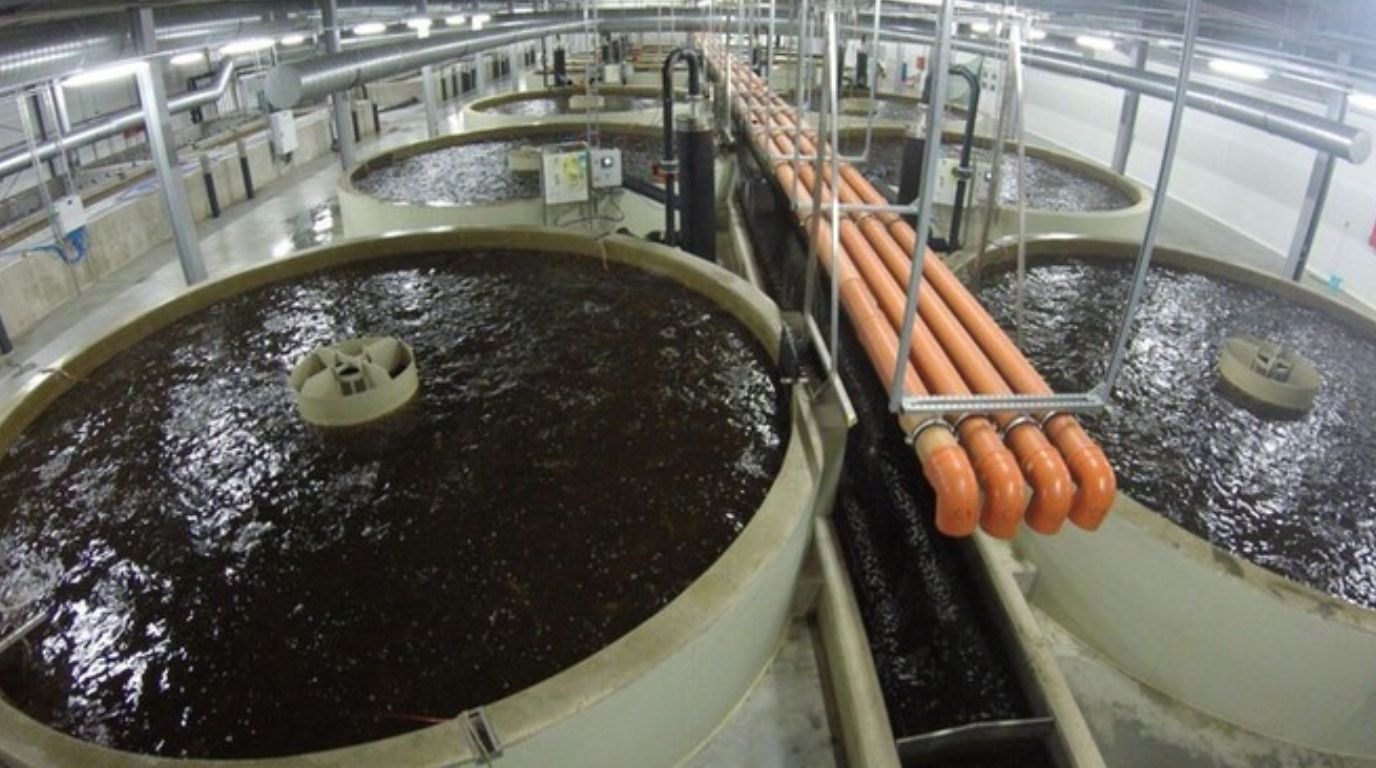
Recirculating Aquaculture Systems (RAS) offer a range of specific benefits that make them highly appealing for modern shrimp producers. One of the standout advantages is space efficiency RAS allows intensive farming in smaller physical areas, which is ideal for urban or land-limited operations. This not only reduces land costs but also supports localized production closer to markets, lowering transportation expenses and carbon footprint. Another key benefit is precise environmental control. RAS enables farmers to manage water temperature, pH, salinity, and oxygen levels with great accuracy, resulting in consistent production cycles and reduced seasonal risks. This stability often translates to better growth rates and uniform shrimp sizes. RAS systems also facilitate advanced monitoring and automation, which improves management efficiency and reduces labor dependency. Waste management is another strong point: solid waste is captured and treated, and ammonia is converted to non-toxic forms through biofiltration significantly enhancing water quality. Finally, the biosecurity offered by RAS greatly lowers the risk of disease introduction from external sources, making it a safer and more reliable method for commercial shrimp farming.
Maintaining shrimp health is a fundamental aspect of successful Shrimp RAS farming. The closed and controlled nature of Recirculating Aquaculture Systems creates an environment where stress factors are minimized and biosecurity is significantly enhanced. In traditional open systems, shrimp are exposed to fluctuating water quality, pathogens, and harmful algal blooms. RAS eliminates much of this exposure by maintaining stable parameters and preventing external contaminants from entering the system. In Shrimp RAS farming, consistent monitoring of water quality—such as ammonia, nitrite, dissolved oxygen, and temperature is critical to prevent stress-related illnesses and ensure optimal physiological performance. Additionally, the ability to isolate and treat individual tanks allows for quicker response to health issues, reducing the spread of disease. Another advantage is the improved feed management in RAS. Because water conditions are closely regulated, feed conversion ratios are optimized, leading to better nutrition and enhanced immune response in shrimp. Ultimately, these factors contribute to lower mortality rates, healthier stock, and more predictable yields, making shrimp health management a key strength of RAS based systems.
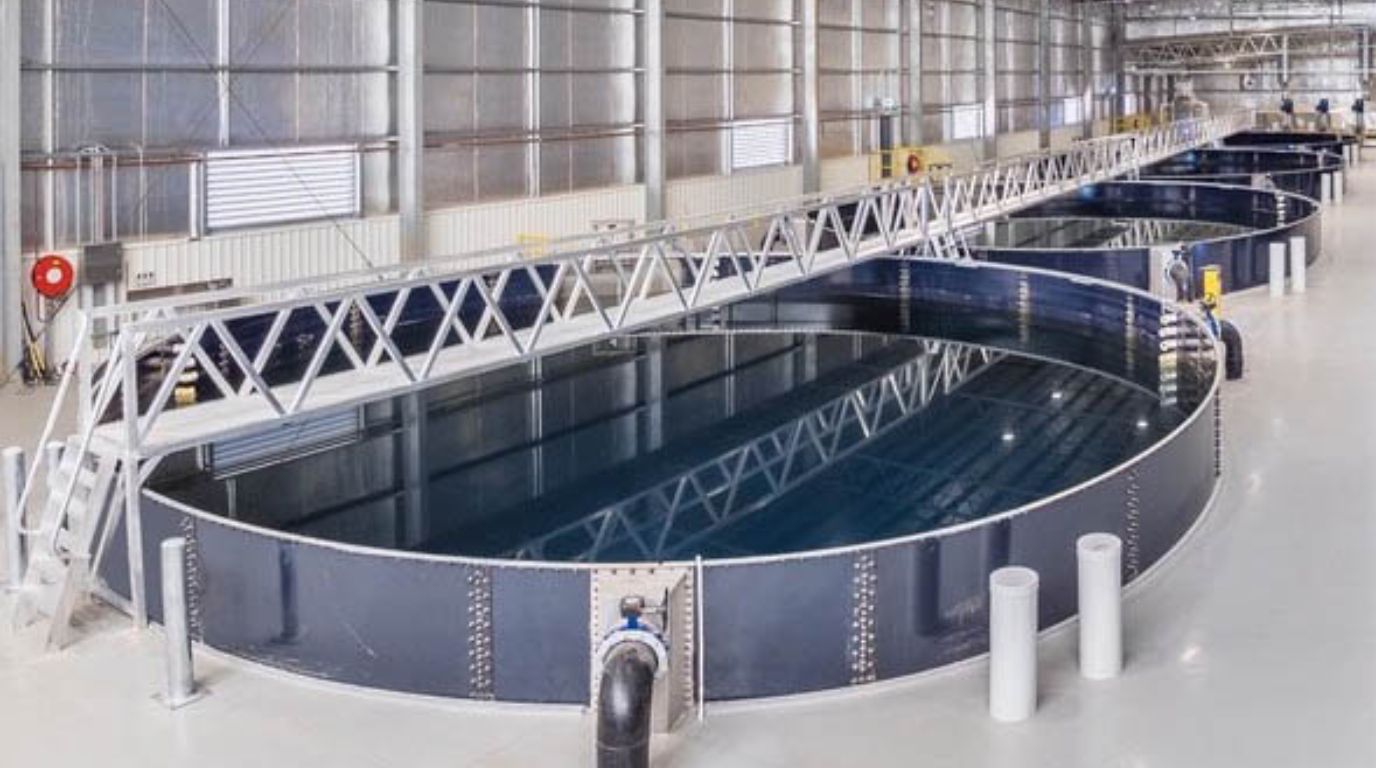
Feeding strategies in Recirculating Aquaculture Systems play a crucial role in the overall success of shrimp production. In Shrimp RAS farming, precise and efficient feed management is essential not only for maximizing growth and minimizing waste, but also for maintaining water quality. Overfeeding or poor feed selection can quickly lead to the accumulation of uneaten feed and organic waste, which can disrupt the biofiltration process and harm shrimp health. To address this, RAS facilities often implement automated feeding systems that dispense feed based on real-time shrimp activity or scheduled intervals. This reduces feed loss and allows for better tracking of consumption patterns. High-quality, easily digestible feed is also recommended to improve nutrient absorption and reduce waste output. Moreover, frequent but smaller feeding portions are preferred in RAS to maintain stable water parameters. These controlled feeding practices contribute to improved feed conversion ratios (FCR), healthier shrimp, and more predictable harvests. By integrating feeding with water monitoring and system design, Shrimp RAS farming ensures a balanced approach that supports both animal welfare and system efficiency.
Shrimp RAS farming represents a significant advancement in sustainable and efficient shrimp aquaculture. By utilizing Recirculating Aquaculture Systems, producers gain precise control over environmental factors such as water quality, temperature, and biosecurity, which collectively improve shrimp health and growth performance. The system’s water recycling capabilities address critical environmental concerns, reducing water consumption and minimizing pollution. Furthermore, RAS offers operational advantages including space efficiency, enhanced disease management, and automation opportunities that increase productivity while lowering risks. Effective feeding strategies within RAS further optimize growth rates and reduce waste, contributing to a more balanced and eco-friendly farming process. As global demand for shrimp continues to rise, adopting RAS technology can provide shrimp farmers with a competitive and responsible approach to meet market needs. This method supports year-round production regardless of geographic limitations, making it a versatile solution for modern aquaculture. Overall, Shrimp RAS farming is poised to become a cornerstone of the future shrimp industry, combining economic viability with environmental stewardship.
shrimp nursery