A Guide to Closed Circuit Aquaculture

راهنمای آبزی پروری مدار بسته | A Guide to Closed Circuit Aquaculture

Recirculating Aquaculture is essentially a technique for farming fish or other aquatic organisms by reusing water in the production process. This technology is based on the use of mechanical and biological filters and can, in principle, be applied to any species cultivated in aquaculture, such as fish, shrimp, shellfish, etc.

Advantages of Recirculating Aquaculture

  • Environmentally Friendly: This system is environmentally beneficial due to its limited water use. Wastewater treatment in small volumes of water is much easier and more cost-effective than treating wastewater in large volumes of water in traditional methods. The nutrients from farmed fish can be used as fertilizer in agricultural fields or as a base for biogas production.

  • Complete Control of Parameters: In recirculating systems, external factors such as river water temperature, water cleanliness, oxygen levels, or floating weeds and leaves that block inflows are eliminated. The fish farmer can fully control all production parameters, such as water temperature, oxygen levels, and even daylight. Controlling these parameters creates a stable and optimal environment for the fish, leading to reduced stress and better growth. With a predictable and steady growth pattern, the farmer can accurately forecast when the fish will reach a specific stage or size. This feature helps with overall farm management and enhances the ability to market fish in a competitive manner.

  • Reduced Diseases: The impact of pathogens in a recirculating system is significantly reduced because invasive diseases from the external environment are minimized due to the limited water use. Water used in traditional aquaculture is taken from rivers, lakes, or seas, which naturally increases the risk of disease entry. Due to the limited water use in recirculating systems, water is primarily sourced from wells, drainage systems, or springs where the risk of disease is minimal.


Components of a Recirculating Aquaculture System

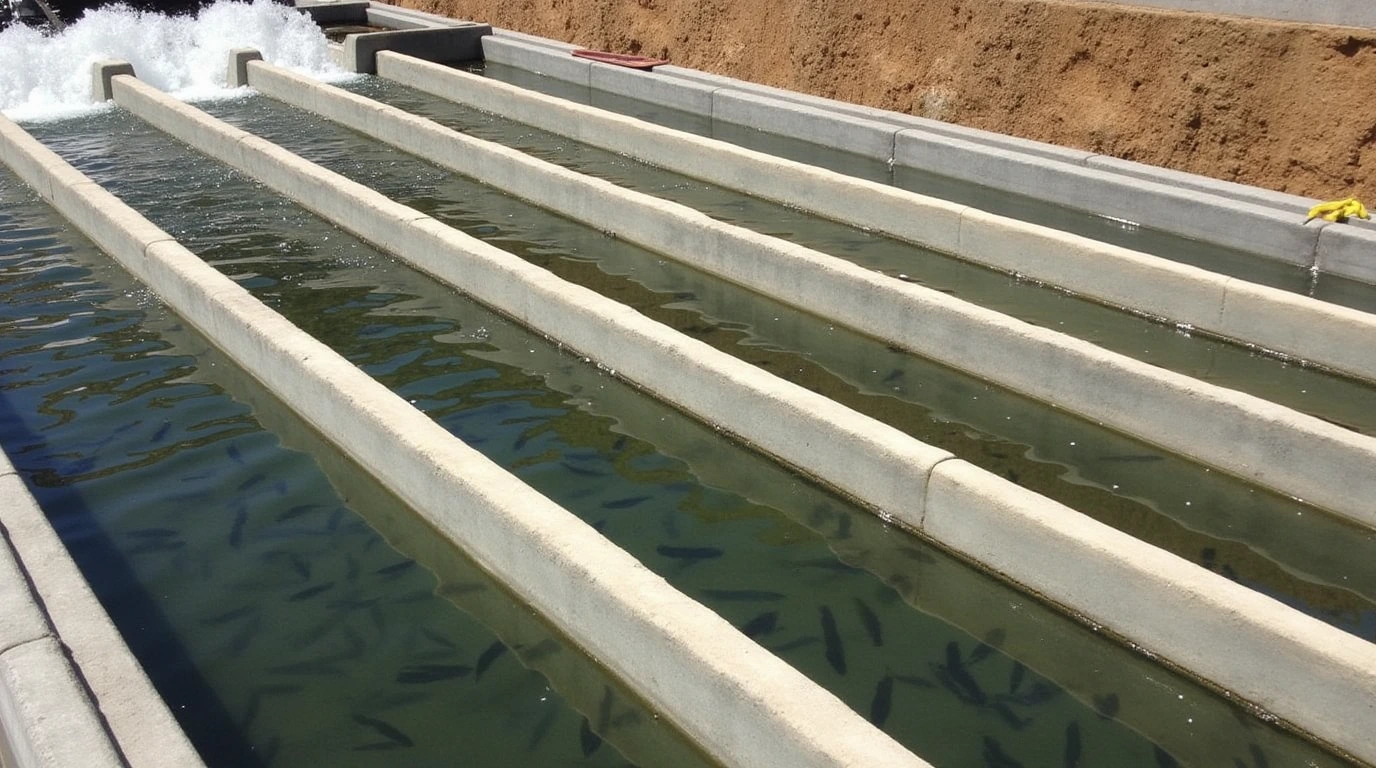
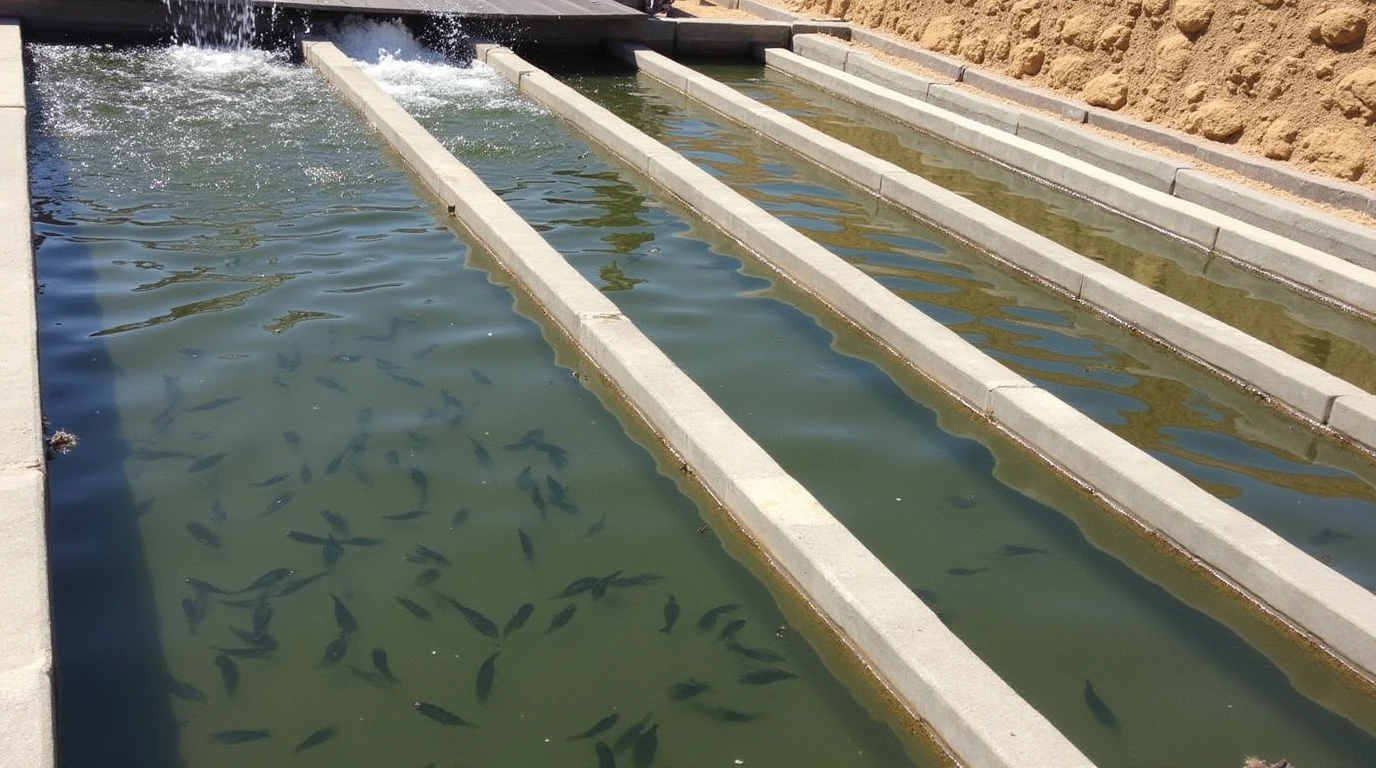
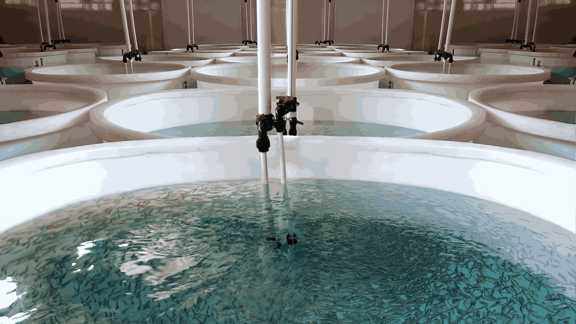
  • Fish Tanks: The design of the tank, such as size, shape, water depth, and self-cleaning capability, can significantly impact the performance of the farmed species. Circular tanks, due to the hydraulic pattern they create, generate a self-cleaning effect and have a relatively short retention time for organic particles. Rectangular tanks occupy less space than circular tanks, which helps reduce construction costs.

  • Mechanical Filtration: Mechanical filtration of the water exiting the fish tanks is the only practical solution for removing organic waste. Drum filters are the most common type of microfilter, working with filter cloths with a thickness of 40 to 100 microns. Their design ensures gentle removal of particles.
     
راهنمای آبزی پروری مدار بسته | A Guide to Closed Circuit Aquaculture
  • Biofilters: Biofilters are made using plastic media with a high surface area per cubic meter of the biofilter. Bacteria grow as a thin layer on these media, resulting in a very large surface area. The goal of a well-designed biofilter is to achieve the maximum possible surface area per cubic meter without compressing it to the point where it becomes clogged with organic matter during operation. Biofilters used in recirculating systems can be designed as either fixed bed filters or moving bed filters.

In a fixed bed filter, the plastic media are stationary and do not move. Water flows gently through these media to come into contact with the bacterial layer. Fine organic particles are also removed by adhering to the bacterial layer.

In a moving bed filter, the plastic media move within the biofilter, driven by the flow created by air pumping.
Due to the continuous movement of these media, moving bed filters can be packed more densely than fixed bed filters, allowing for higher turnover rates per cubic meter of the biofilter.
  • Gas Removal, Aeration, and Stripping:
    Before the water is returned to the fish tanks, accumulated gases that are harmful to fish must be removed.
    This gas removal process is performed by aerating the water and is often referred to as stripping.
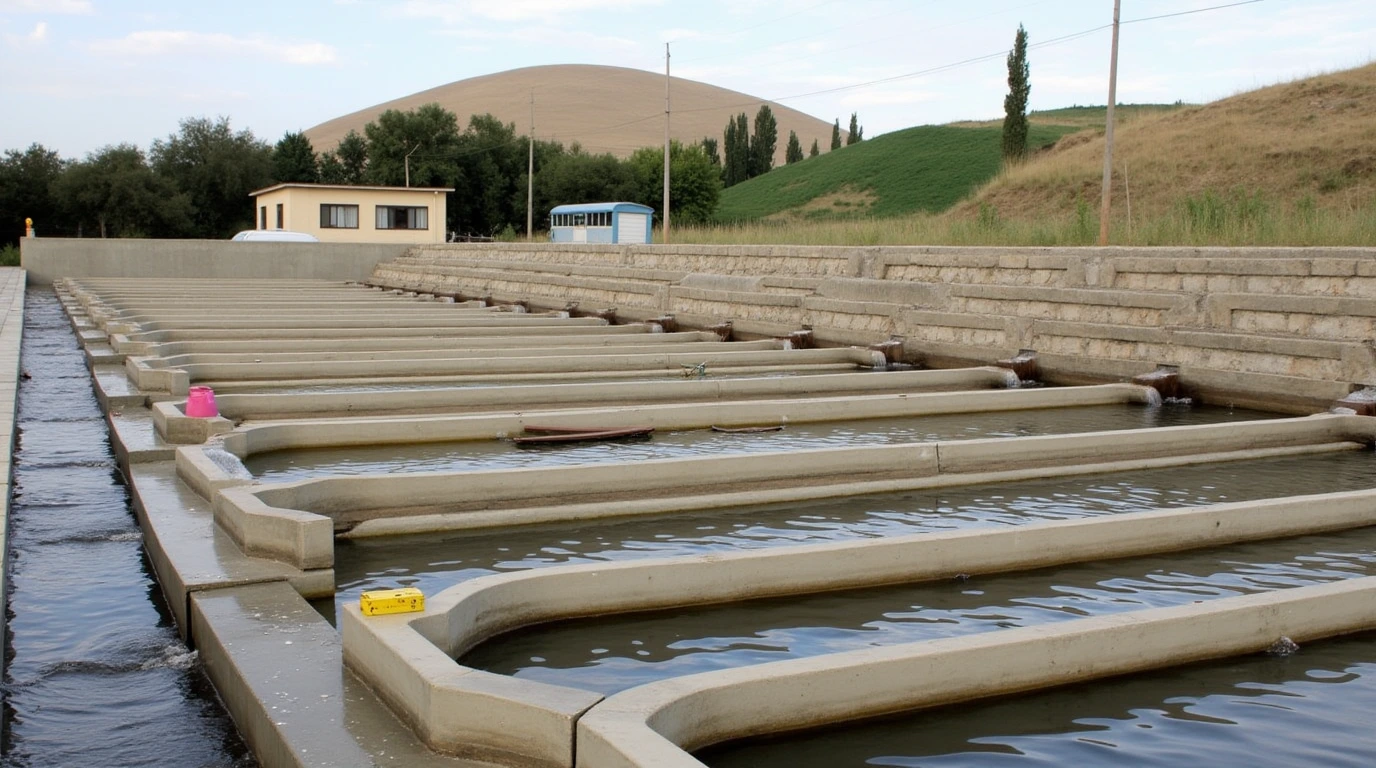
    Aeration ponds, though not very efficient, can be used for gas removal.
    A trickle filter system, also known as a degasser, is more efficient.
    In this system, gases are separated from the water through physical contact between the water and stacked plastic media within a column.
راهنمای آبزی پروری مدار بسته | A Guide to Closed Circuit Aquaculture
  • Oxygenation:
    The process of water aeration adds some oxygen through simple exchange between the gases in the water and those in the air, depending on the level of oxygen saturation in the water.
    Aeration typically brings oxygen saturation to around 90%.
    Oxygen saturation levels above 100% in water entering the fish tanks are often preferred to ensure sufficient oxygen for high and stable fish growth.

To achieve saturation levels above 100%, pure oxygen is used.
Pure oxygen is often delivered in tanks as liquid oxygen but can also be generated on-site using an oxygen generator.
Various systems exist to create supersaturated water with oxygen content of 200% to 300%.

Typically, high-pressure oxygen cones or low-pressure oxygen systems, such as oxygen platforms, are used.
In an oxygen cone, pressure is created by a pump, generating a pressure of about 1.4 bar in the cone.
Pumping water under pressure into the oxygen cone consumes significant electricity.

In an oxygen platform, the pressure is much lower, usually around 0.1 bar, and water is simply pumped through a box to mix water and oxygen.
The main difference between these two systems is that the oxygen cone solution only enriches a portion of the circulating water with oxygen, while the oxygen platform is used for the main water circulation, often combined with the overall water pumping in the system.
  • Ultraviolet (UV) Light:
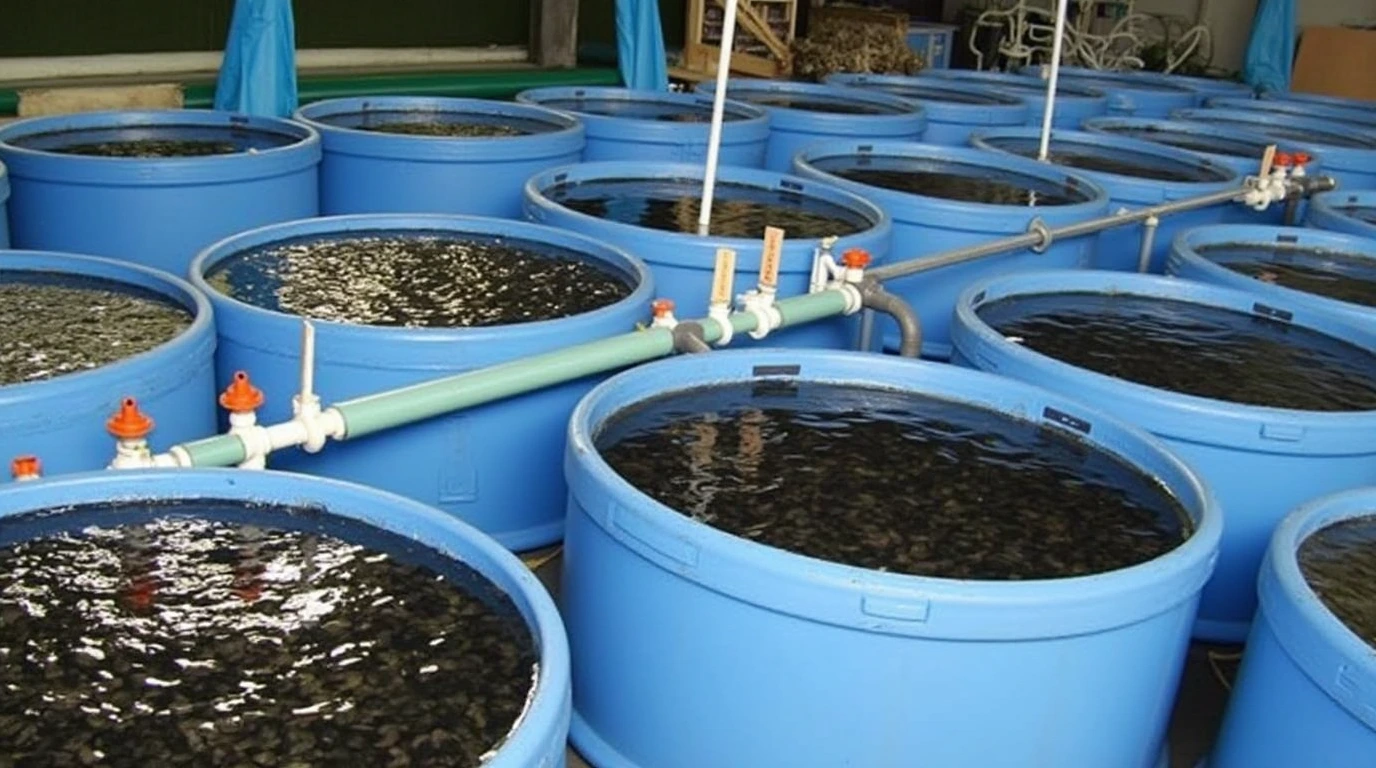
    UV disinfection works by applying light at wavelengths that destroy the DNA of biological organisms.
    In aquaculture, pathogenic bacteria and single-celled organisms are targeted.
    The UV dose required to control bacteria and viruses is approximately 2,000 to 10,000 microwatts per second per square centimeter to eliminate 90% of the organisms.
    UV light used in aquaculture must operate underwater to ensure maximum efficiency.
راهنمای آبزی پروری مدار بسته | A Guide to Closed Circuit Aquaculture
 
  • Ozone:
    The use of ozone in fish farming has been criticized because excessive amounts can cause severe harm to fish.
    In indoor farms, ozone can also be hazardous to workers in the area, as they may inhale excessive ozone.
    Proper dosing, monitoring, and adequate ventilation are essential to achieve safe and positive results.

Ozone treatment is an effective way to eliminate unwanted organisms through heavy oxidation of organic matter and biological entities.
Flocculation refers to the process of forming larger particles from fine ones using ozone.
This technology is also known as water polishing, as it makes the water clearer and free from any suspended solids or bacteria that may adhere to them.

This is particularly suitable for hatchery and nursery systems, where young fish are reared and are sensitive to micro-particles and bacteria in the water.
Ozone can also be used to disinfect incoming water for the recirculating system.
In many cases, UV treatment serves as a good and safer alternative to ozone.
  • pH Adjustment:
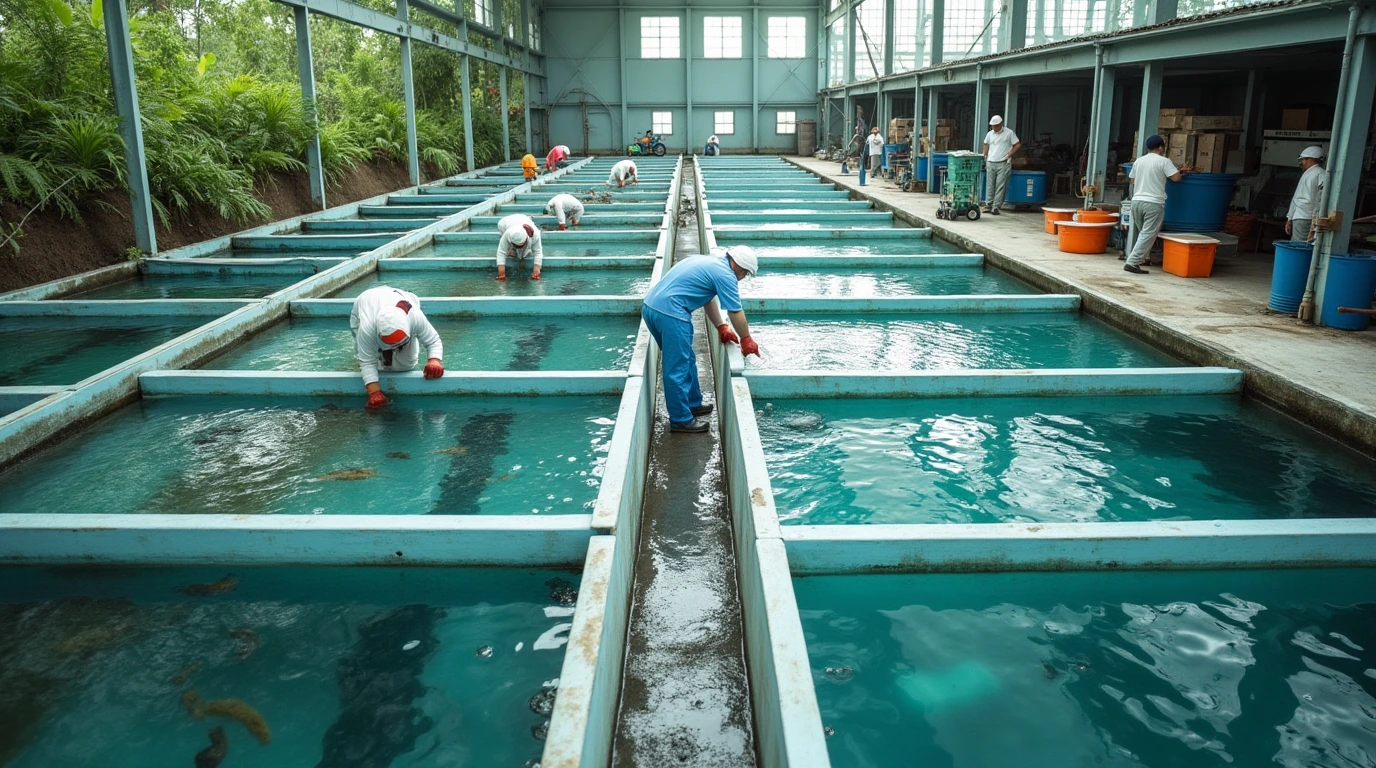
    The nitrification process in the biofilter produces acid, causing the pH level to drop.
    To maintain a stable pH, a base must be added to the water.
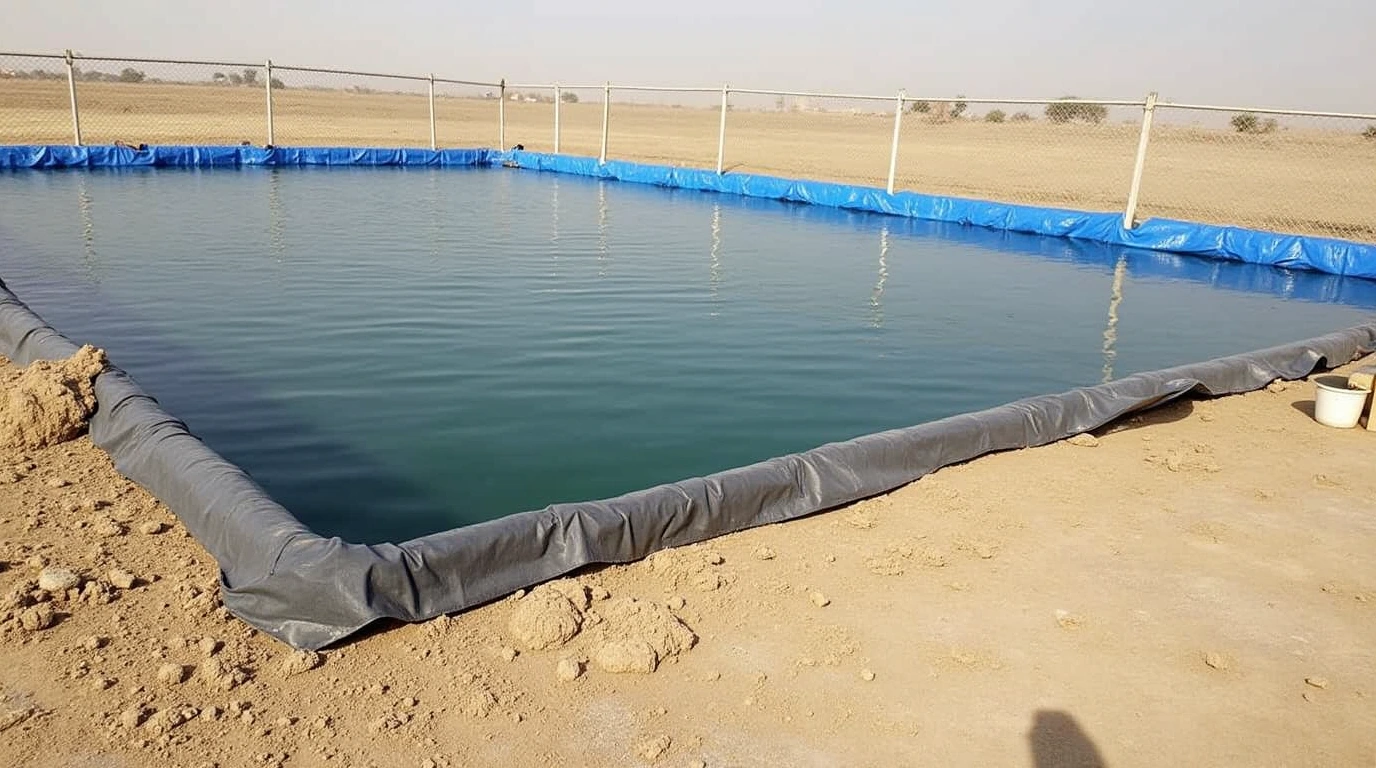
    In some systems, a lime mixing station is installed to drip limewater into the system, stabilizing the pH. Another option is an automated dosing system controlled by a pH meter with feedback pulses to a dosing pump. In this system, sodium hydroxide (NaOH) is preferred as it is easy to handle and simplifies system maintenance.
  • Water Temperature Regulation:
    Maintaining the optimal water temperature in a farming system is crucial, as fish growth rates are directly related to water temperature.
    In an indoor recirculating system, heat gradually accumulates in the water due to energy released as heat from fish metabolism and bacterial activity in the biofilter.
    Heat from friction in pumps and the use of other equipment also contributes to this accumulation. High temperatures in the system often become problematic in a centralized recirculating system. Temperature can be adjusted simply by regulating the amount of fresh, cool water entering the system.
راهنمای آبزی پروری مدار بسته | A Guide to Closed Circuit Aquaculture
  • Pumps:
    Various types of pumps are used to circulate process water in the system.
    Pumping typically requires a significant amount of electricity.
    Low head pumps that are efficient and properly installed are essential for keeping operating costs low.Lift pumps are often used for pumping the main flow in recirculating systems.Centrifugal pumps are frequently employed in recirculating systems for secondary flows, such as water passing through UV systems or achieving high pressure in oxygen cones.
 
  • Monitoring, Control, and Alarms:
    Intensive fish farming requires precise monitoring and control to maintain optimal conditions for the fish at all times.
    Technical malfunctions can easily result in significant losses.
    Alarms are crucial for securing operations. In many modern farms, a central control system can monitor oxygen levels, temperature, pH, water levels, and motor performance. If any issues arise, an automated start/stop process attempts to resolve the problem. If the issue cannot be resolved automatically, an alarm is triggered. Automatic feeding can also be an integral part of the central control system.
  • Emergency System:
    Using pure oxygen as a backup is the number one safety measure.
    This setup is simple and includes a storage tank for pure oxygen and a distribution system with diffusers installed in all tanks. In the event of a power outage, a solenoid valve is triggered, allowing pressurized oxygen to flow into each tank, keeping the fish alive. For electrical power backup, a diesel-powered generator is essential.
  • Incoming Water:
    The water used for circulation should preferably come from a disease-free source or be sterilized before entering the system. In most cases, using well water, artesian wells, or similar sources is preferable to using water from rivers, lakes, or the sea.
راهنمای آبزی پروری مدار بسته | A Guide to Closed Circuit Aquaculture

Project Planning and Execution:

  • Choose a location:
    Choosing a good location is crucial.
    Groundwater, due to its purity and relatively cool temperature, is the most desirable water source.
    Water from rivers, lakes, or the sea is not recommended.
    Obtaining permits for water discharge from a fish farm is often underestimated.
    It is advisable to prepare a preliminary plan to contact the relevant authorities for permits related to construction, water usage, discharge, etc., at the appropriate time.
  • System Design and Technology:
    Collaborating with a professional system provider to find the optimal solution for farm construction is recommended.
    System suppliers typically follow a very systematic approach from the initial design to the final construction and startup of the farm.
    Some system suppliers even support the daily farm management and operational procedures to ensure proper delivery and long-term success.
  • Financing:
    The need for financing the entire project is often seriously underestimated.
    Capital expenses for building and setting up a new fish farm are very high.
    The time between the start of construction and receiving the first return on investment from fish sales typically takes one to two years.
  • Species Selection:

Good biological performance and acceptable market conditions make the following fish species interesting for commercial production in recirculating aquaculture:
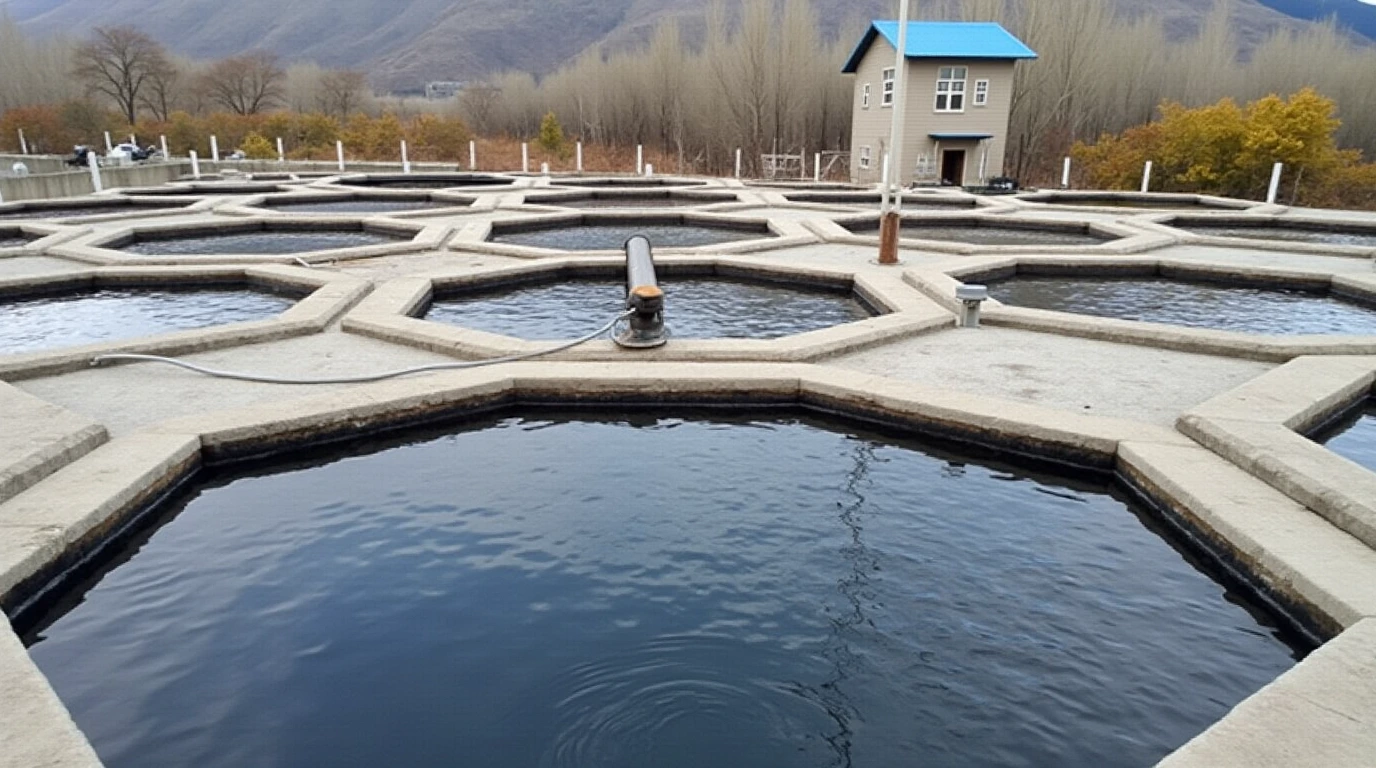
  • Rainbow Trout (Oncorhynchus mykiss): Its cultivation is easy. The recirculating system in freshwater is widely used from raising fingerlings to medium-sized fish.
  • Atlantic Salmon, Smolt (Salmo salar): Small salmon are called smolts. They are raised in freshwater before being transferred to saltwater for growth. Smolts are successfully raised in recirculating systems.
  • European Eel (Anguilla anguilla): This species has been proven in recirculating systems. It cannot breed in captivity. Harvesting fry (larvae) from the wild is essential. It is considered an endangered species.
  • Grouper (Epinephelus spp.): A saltwater fish primarily farmed in Asia. There are many different species of Grouper. It requires knowledge of spawning and larval rearing. Its growth is relatively simple.
  • Sea Bass/Dorado (Dicentrarchus labrax / Sparus aurata): A saltwater fish for cage aquaculture. Larval stages require good skills. Their growth in recirculating systems has been proven.
  • Sturgeon (Acipenser spp.): A group of freshwater fish with many species. It requires skill in various biological stages. Farming in recirculating systems is increasing.
  • Turbot (Scophthalmus maximus): Requires good skills in broodstock and hatchery management. It grows very well in recirculating systems.
  • White Shrimp (Penaeus vannamei): The most common shrimp species in aquaculture. Growth in recirculating systems has been proven. The production method is developing.
  • Yellowtail Amberjack (Seriola lalandi): A saltwater species that performs well in cages and land-based systems.
راهنمای آبزی پروری مدار بسته | A Guide to Closed Circuit Aquaculture
  • Low market prices make the production of the following fish challenging for profitability in recirculating aquaculture, and good marketing and sales efforts are essential:
  • African Catfish (Clarias gariepinus): A freshwater fish that is very easy to farm. It is a hardy and fast-growing fish that performs well in recirculating systems. Production must be highly cost-effective.
  • Barramundi (Lates calcarifer): Requires knowledge of larval rearing. Its growth is relatively simple.
  • Carp (Cyprinus carpio): All species of carp grow very well in recirculating aquaculture systems. Keeping production costs to a minimum is the main focus.
  • Pangasius (Pangasius bocourti): This catfish is mainly farmed in large earthen ponds in Vietnam. It has remarkable ability to survive and grow under unfavorable conditions.
  • Perch (Perca fluviatilis): A freshwater fish whose growth in recirculating systems has been proven, although it is not widely used.
  • Tilapia (Oreochromis niloticus): One of the most common aquaculture fish, resilient and fast-growing. To remain competitive, production costs must be minimized.
  • Whitefish (Coregonus lavaretus): A group of freshwater fish that can be farmed in recirculating systems.

Farming these fish on a commercial scale in recirculating aquaculture or in general aquaculture is very challenging, as their biological management is difficult.

  • Cod (Gadus morhua): Larval rearing in recirculating systems has been proven. The growth of larger cod requires further development and, therefore, is not suitable for recirculating systems.
  • Atlantic Salmon (Salmo salar): Growth in land-based systems using recirculating systems is under development.
  • Bluefin Tuna (Thunnus thynnus): The only profitable farming technology is catching wild fish. Full-cycle control at a commercial level in aquaculture is still under development.
  • Cobia (Rachycentron canadum): A relatively new saltwater fish for aquaculture with good meat quality. Grown in cages.
  • Lemon Sole (Microstomus kitt): Due to various biological barriers, such as feeding, etc., it has not yet been fully developed as a new species in aquaculture.
  • Zander (Sander lucioperca): A freshwater fish that is difficult to farm. The larval stage is troublesome.

Setting up the rotary system

Steps:

  • Project Idea
  • Business Plan
  • Permits
  • Financing
  • Construction
  • Commissioning
  • Production
  • Final Product

Budgeting: The business plan should include the investment budget, operational cost budget, and cash flow budget.

Daily or Weekly:

  • Visual inspection of fish behavior
  • Visual inspection of water quality
  • Hydrodynamic (flow) inspection in tanks
  • Inspection of food distribution
  • Removal and recording of dead fish
  • Cleaning the tank discharge
  • Cleaning the oxygen probe membranes
  • Recording actual oxygen concentration in tanks
  • Checking water levels in pump tanks
  • Inspecting spray nozzles on mechanical filters
  • Recording temperature
  • Performing tests for ammonia, nitrite, nitrate, and pH
  • Recording the volume of new water used
  • Checking pressure in oxygen cones
  • Inspecting NaOH or lime for pH adjustment
  • Controlling the operation of UV lamps
  • Recording electricity consumption
  • Reading information from colleagues on the bulletin board
  • Ensuring the alarm system is active before leaving the farm

Monthly:

  • Cleaning the UV sterilizer and replacing lamps annually
  • Changing oil, oil filter, and air filter in the compressor
  • Checking the cleanliness of cooling towers from the inside
  • Checking the cleanliness of the gas removal unit and cleaning it if necessary
  • Cleaning the biofilter completely if needed
  • Servicing the oxygen probes
  • Replacing spray bar nozzles in mechanical filters
  • Replacing filter plates in mechanical filters
راهنمای آبزی پروری مدار بسته | A Guide to Closed Circuit Aquaculture
  • Water Quality: Managing the recirculating system requires continuous monitoring and adjustments to achieve an optimal environment for the cultured fish. Fluctuations in various parameters, including nitrogen compound concentrations, can occur when a new biofilter is installed. In some cases, parameters may reach levels that are unfavorable or even toxic for the fish. Nitrite peak toxicity can be eliminated by adding salt to the system.
  • Biofilter Maintenance: The biofilter should operate under optimal conditions at all times to ensure high water quality and system stability. Biofilter maintenance includes the following:

    • Brushing the upper plate every two weeks
    • Brushing and cleaning the micro-bubble diffusers in the water process pipe from the last biofilter chamber to the micro-particle filter every two weeks
    • Regular monitoring and cleaning program

    The following parameters should be checked regularly:

    • Inspecting the air bubble distribution in each of the biofilter chambers
    • Checking the height between the water level in the biofilter and the top edge of the PE cylinder wall
    • Regularly measuring water quality parameters
    • Monitoring the remaining volume of open or acid used for dosing

    Cleaning and Flushing to Remove Sludge in the Biofilter:

    • Bypass the PE biofilter that is to be cleaned
    • Open the output drain valve for a few seconds
    • If a sludge pump is installed, pump sludge from the PE biofilter and check for brown color in the water
    • Continue this procedure for all biofilters and micro-particle filters

    Simple Biofilter Cleaning Using Air:

    • Do not change the flow to the biofilter
    • Open the air cleaner valves in the first PE biofilter
    • Check the readiness of the cleaning blower for operation. Turn on this blower
    • Direct all air from the cleaner to Biofilter 1 for 10-15 minutes
    • Direct all air from the cleaner to the next PE biofilter for 10-15 minutes. Continue this procedure until the last biofilter. Remove the micro-particle filter
    • All loosened organic material reaches the micro-particle filter. 
      Deep Biofilter Cleaning:
      • Stop the flow through the PE biofilters.
      • Use heavy aeration for 30 minutes in the target filter(s) for cleaning. Then fully drain the given filter(s) using the protocol described for sludge removal flushing.

      Cleaning with Sodium Hydroxide (NaOH):

      • Drain the filter section.
      • Refill with fresh water and sodium hydroxide solution (NaOH adjusted to pH 12).
      • Allow this solution to work for one hour with aeration, then drain the filter again using the protocol described for sludge removal flushing.

      Precautions:

      • The water under aeration has a lower density than regular water, making swimming impossible!
      • The operator should only walk on the upper plates of the biofilter while wearing a safety belt! Suitable footwear must be worn, and extreme caution should be taken due to the very slippery surface!
      • Follow all instructions regarding safety procedures for using tools, chemicals, machinery, or anything else!
راهنمای آبزی پروری مدار بسته | A Guide to Closed Circuit Aquaculture
  • Oxygen Control:

    Dissolved oxygen (DO) is one of the most important parameters in fish farming. The oxygen content, measured in milligrams of oxygen per liter of water, depends on temperature and barometric pressure. Modern devices have sensors for temperature and barometric pressure to provide accurate readings at all times. When measuring oxygen in saltwater, simply enter the salinity level in the oxygen meter’s menu, and the device will automatically adjust accordingly.

  • Training:

    Farm management is as important as having the right technology installed. Without properly trained individuals, the farm’s efficiency will never be satisfactory. Fish farming generally requires a wide range of competencies, from breeder and hatchery management to weaning and larval fish rearing, juvenile fish production, and growing fish to commercial size. Training is available in various forms, from practical courses to academic studies at universities. A combination of theory and practice is the best approach to gain a comprehensive understanding of how to set up a recirculating aquaculture system.

    Training areas for recirculating aquaculture include:

    • Basic water chemistry
    • Technology and general system management
    • Consumables
    • Reading parameters and calibration
    • Machinery and technical facilities
    • Operational knowledge

    Management support for daily production by a professional and experienced fish farmer can be key to overcoming the startup phase and preventing mismanagement.

  • Personnel:

    A fish farmer must establish a team of skilled personnel to operate the fish farm 24/7. Team members often work in shifts. The team should include:
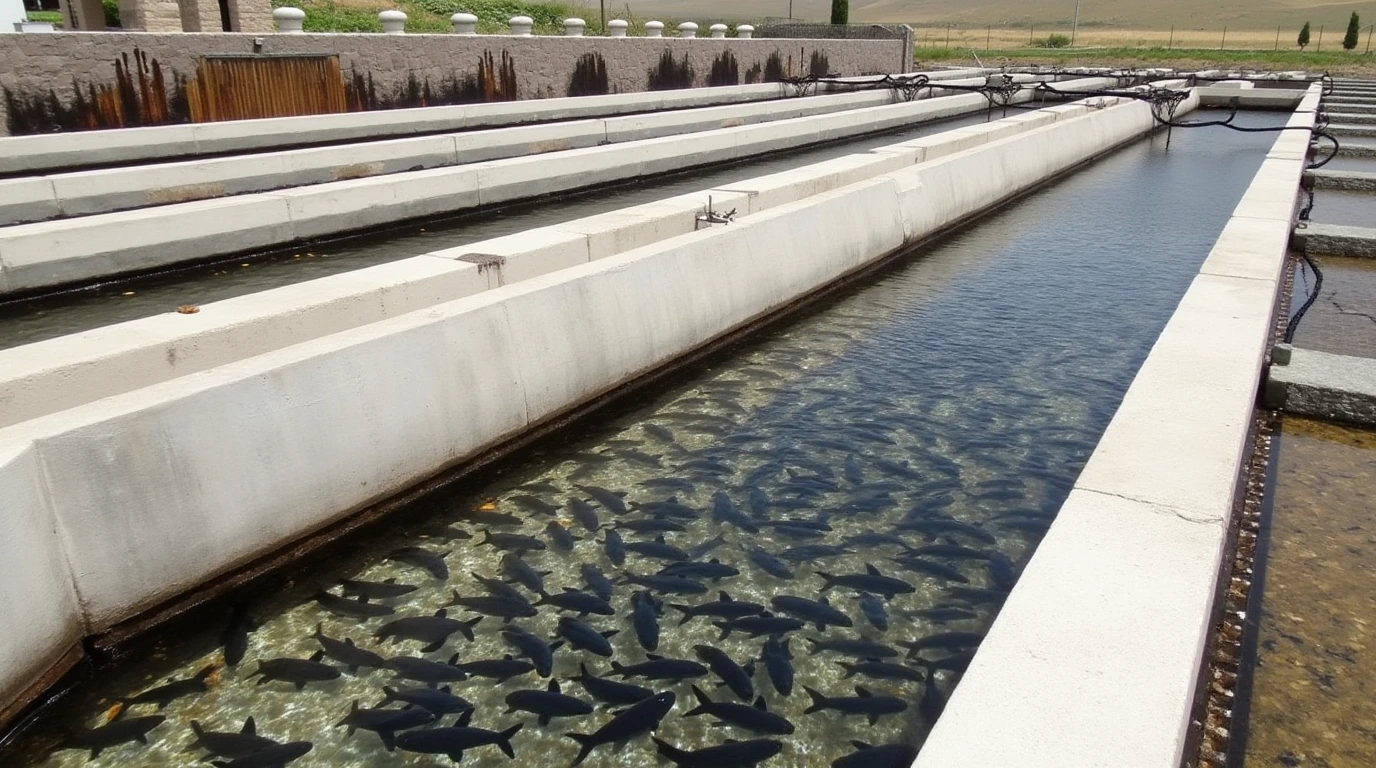
    • A manager with overall responsibility for daily farm operations
    • Assistants who report to the manager and are responsible for practical tasks on the farm, with a special focus on fish farming
    • One or more technicians responsible for maintaining and repairing technical facilities
    • Other workers for miscellaneous tasks, who are often required to be hired.
راهنمای آبزی پروری مدار بسته | A Guide to Closed Circuit Aquaculture
  • Services and Maintenance:

    A service and maintenance plan must be developed for the recirculating system to ensure that all components are operating at all times. It is recommended to establish service contracts with equipment suppliers for access to professional services on a periodic basis. It is also important to secure the efficient delivery of spare parts along with safe service regimes.

  • Wastewater Treatment:

    Fish farming in a recirculating system, where water is continuously used, does not eliminate the waste generated by fish production. Biological processes in RAS reduce the amount of organic compounds on a smaller scale. However, a significant amount of organic sludge from RAS still needs to be managed. Thickened sludge can be used as fertilizer on farms or can be utilized in biogas production for heat or electricity generation. Mechanical dewatering also makes sludge handling easier and minimizes its volume, thereby reducing disposal or potential costs.

    The treated water from sludge treatment typically has a high concentration of nitrogen. This discharged water is called waste water and is often released into the surrounding environment, rivers, seas, etc., along with overflow water from RAS.

    The nutrient content in waste water and overflow water can be reduced by directing it to a plant pond, a root zone, or a seepage system. Alternatively, waste water can be used as fertilizer in aquaponic systems. Aquaponics is a system where fish waste is used to grow vegetables, plants, or medicinal herbs, typically inside greenhouses.


Leave a Reply

Your email address will not be published. Required fields are marked *