
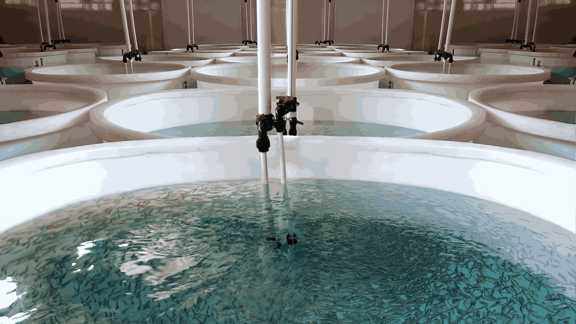
Recirculating Aquaculture is essentially a technique for farming fish or other aquatic organisms by reusing water in the production process. This technology is based on the use of mechanical and biological filters and can, in principle, be applied to any species cultivated in aquaculture, such as fish, shrimp, shellfish, etc.
Environmentally Friendly: This system is environmentally beneficial due to its limited water use. Wastewater treatment in small volumes of water is much easier and more cost-effective than treating wastewater in large volumes of water in traditional methods. The nutrients from farmed fish can be used as fertilizer in agricultural fields or as a base for biogas production.
Complete Control of Parameters: In recirculating systems, external factors such as river water temperature, water cleanliness, oxygen levels, or floating weeds and leaves that block inflows are eliminated. The fish farmer can fully control all production parameters, such as water temperature, oxygen levels, and even daylight. Controlling these parameters creates a stable and optimal environment for the fish, leading to reduced stress and better growth. With a predictable and steady growth pattern, the farmer can accurately forecast when the fish will reach a specific stage or size. This feature helps with overall farm management and enhances the ability to market fish in a competitive manner.
Reduced Diseases: The impact of pathogens in a recirculating system is significantly reduced because invasive diseases from the external environment are minimized due to the limited water use. Water used in traditional aquaculture is taken from rivers, lakes, or seas, which naturally increases the risk of disease entry. Due to the limited water use in recirculating systems, water is primarily sourced from wells, drainage systems, or springs where the risk of disease is minimal.
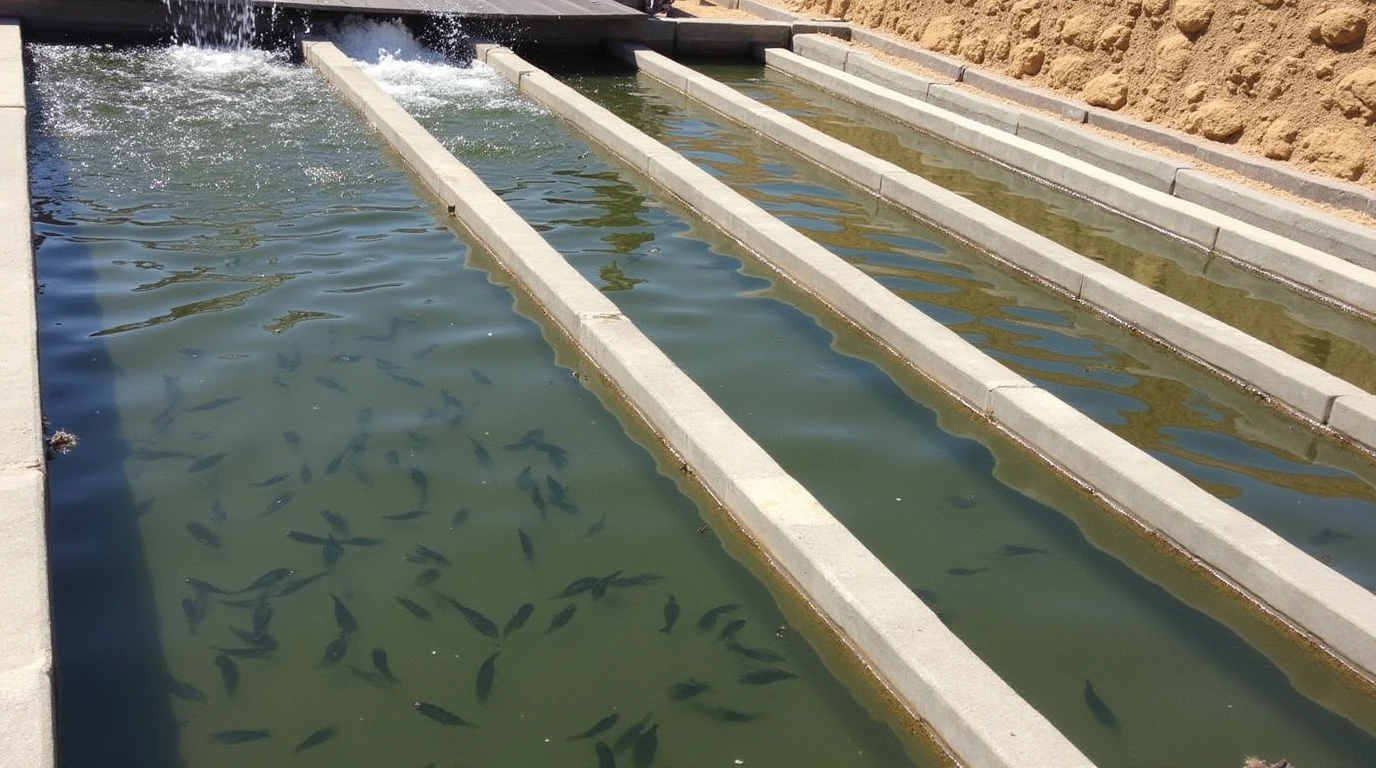
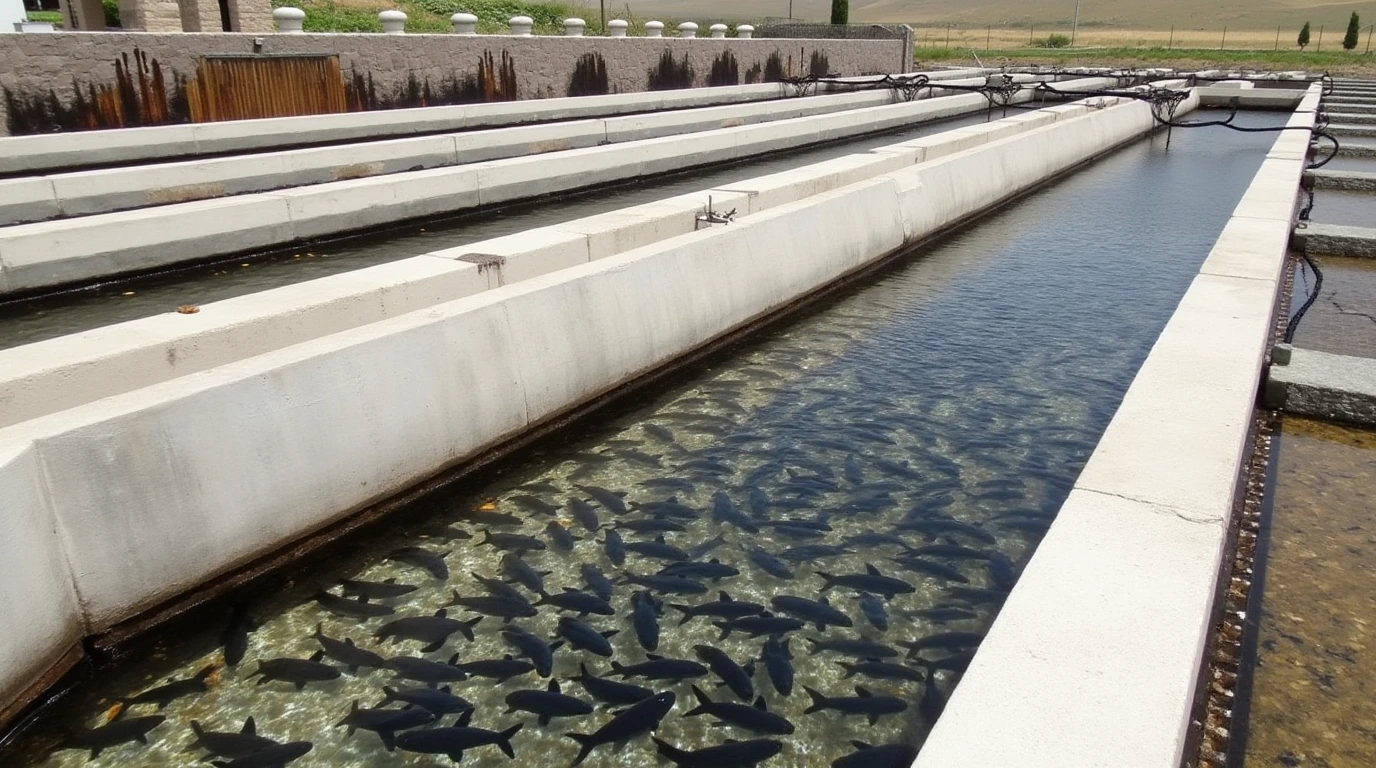
Fish Tanks: The design of the tank, such as size, shape, water depth, and self-cleaning capability, can significantly impact the performance of the farmed species. Circular tanks, due to the hydraulic pattern they create, generate a self-cleaning effect and have a relatively short retention time for organic particles. Rectangular tanks occupy less space than circular tanks, which helps reduce construction costs.
Mechanical Filtration: Mechanical filtration of the water exiting the fish tanks is the only practical solution for removing organic waste. Drum filters are the most common type of microfilter, working with filter cloths with a thickness of 40 to 100 microns. Their design ensures gentle removal of particles.
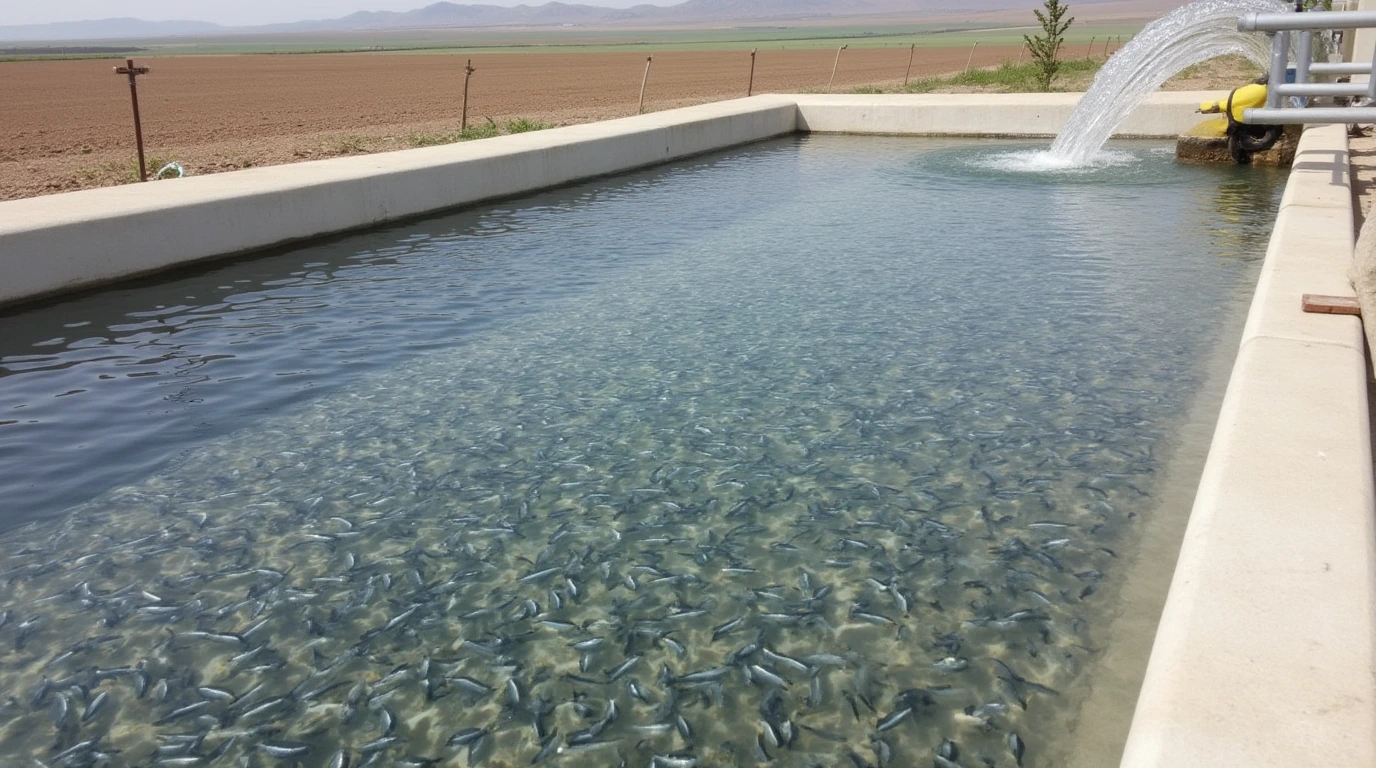
In a fixed bed filter, the plastic media are stationary and do not move. Water flows gently through these media to come into contact with the bacterial layer. Fine organic particles are also removed by adhering to the bacterial layer.
In a moving bed filter, the plastic media move within the biofilter, driven by the flow created by air pumping.
Due to the continuous movement of these media, moving bed filters can be packed more densely than fixed bed filters, allowing for higher turnover rates per cubic meter of the biofilter.
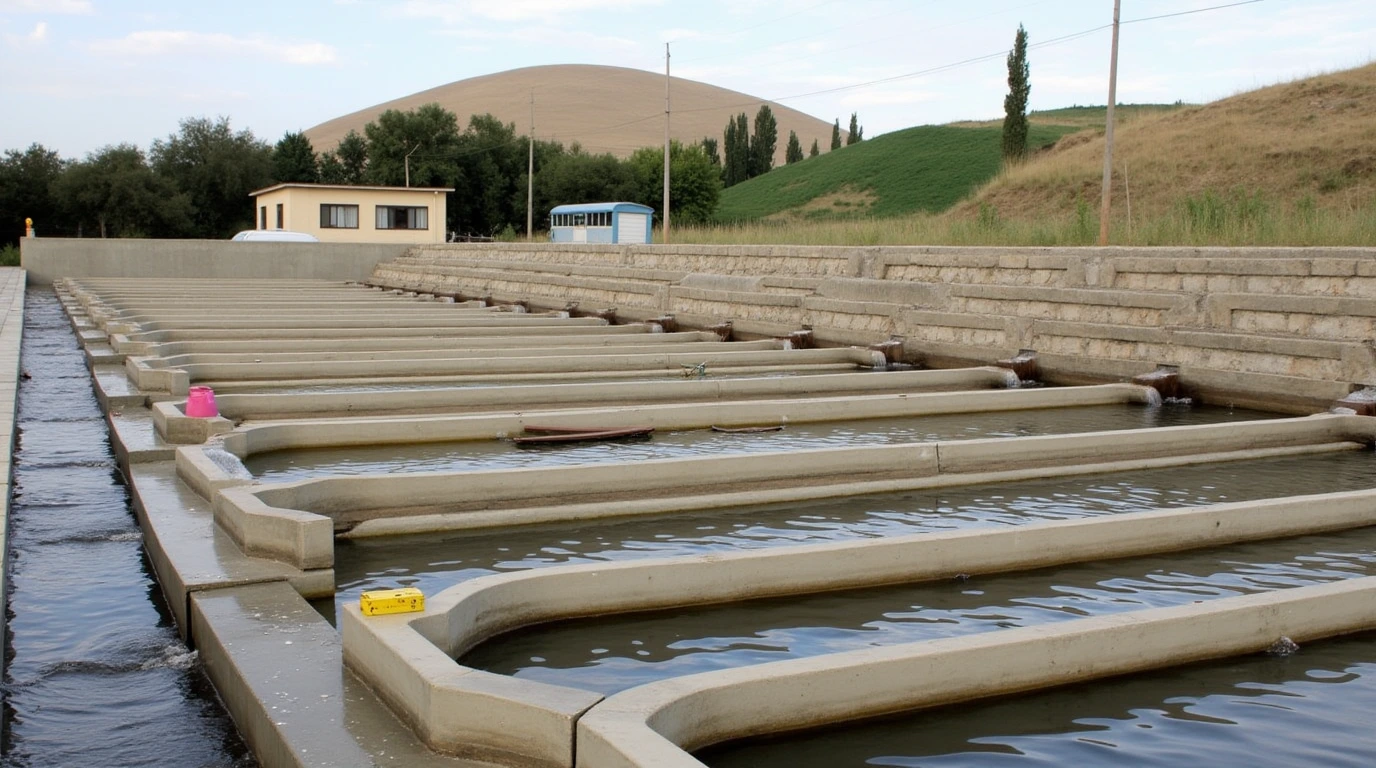
To achieve saturation levels above 100%, pure oxygen is used.
Pure oxygen is often delivered in tanks as liquid oxygen but can also be generated on-site using an oxygen generator.
Various systems exist to create supersaturated water with oxygen content of 200% to 300%.
Typically, high-pressure oxygen cones or low-pressure oxygen systems, such as oxygen platforms, are used.
In an oxygen cone, pressure is created by a pump, generating a pressure of about 1.4 bar in the cone.
Pumping water under pressure into the oxygen cone consumes significant electricity.
In an oxygen platform, the pressure is much lower, usually around 0.1 bar, and water is simply pumped through a box to mix water and oxygen.
The main difference between these two systems is that the oxygen cone solution only enriches a portion of the circulating water with oxygen, while the oxygen platform is used for the main water circulation, often combined with the overall water pumping in the system.
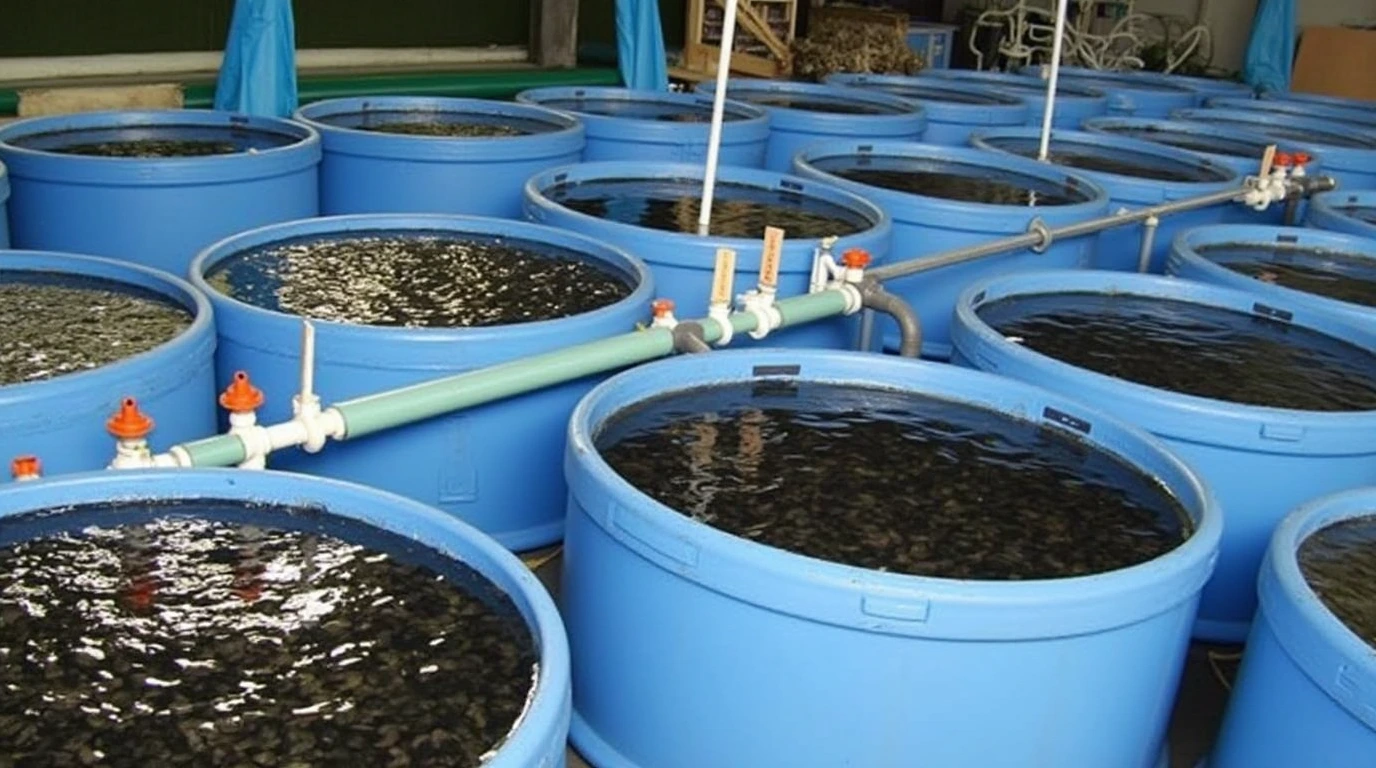
Ozone treatment is an effective way to eliminate unwanted organisms through heavy oxidation of organic matter and biological entities.
Flocculation refers to the process of forming larger particles from fine ones using ozone.
This technology is also known as water polishing, as it makes the water clearer and free from any suspended solids or bacteria that may adhere to them.
This is particularly suitable for hatchery and nursery systems, where young fish are reared and are sensitive to micro-particles and bacteria in the water.
Ozone can also be used to disinfect incoming water for the recirculating system.
In many cases, UV treatment serves as a good and safer alternative to ozone.
Good biological performance and acceptable market conditions make the following fish species interesting for commercial production in recirculating aquaculture:
Farming these fish on a commercial scale in recirculating aquaculture or in general aquaculture is very challenging, as their biological management is difficult.
Steps:
Budgeting: The business plan should include the investment budget, operational cost budget, and cash flow budget.
Daily or Weekly:
Monthly:
Biofilter Maintenance: The biofilter should operate under optimal conditions at all times to ensure high water quality and system stability. Biofilter maintenance includes the following:
The following parameters should be checked regularly:
Cleaning and Flushing to Remove Sludge in the Biofilter:
Simple Biofilter Cleaning Using Air:
Cleaning with Sodium Hydroxide (NaOH):
Precautions:
Oxygen Control:
Dissolved oxygen (DO) is one of the most important parameters in fish farming. The oxygen content, measured in milligrams of oxygen per liter of water, depends on temperature and barometric pressure. Modern devices have sensors for temperature and barometric pressure to provide accurate readings at all times. When measuring oxygen in saltwater, simply enter the salinity level in the oxygen meter’s menu, and the device will automatically adjust accordingly.
Training:
Farm management is as important as having the right technology installed. Without properly trained individuals, the farm’s efficiency will never be satisfactory. Fish farming generally requires a wide range of competencies, from breeder and hatchery management to weaning and larval fish rearing, juvenile fish production, and growing fish to commercial size. Training is available in various forms, from practical courses to academic studies at universities. A combination of theory and practice is the best approach to gain a comprehensive understanding of how to set up a recirculating aquaculture system.
Training areas for recirculating aquaculture include:
Management support for daily production by a professional and experienced fish farmer can be key to overcoming the startup phase and preventing mismanagement.
Personnel:
A fish farmer must establish a team of skilled personnel to operate the fish farm 24/7. Team members often work in shifts. The team should include:
Services and Maintenance:
A service and maintenance plan must be developed for the recirculating system to ensure that all components are operating at all times. It is recommended to establish service contracts with equipment suppliers for access to professional services on a periodic basis. It is also important to secure the efficient delivery of spare parts along with safe service regimes.
Wastewater Treatment:
Fish farming in a recirculating system, where water is continuously used, does not eliminate the waste generated by fish production. Biological processes in RAS reduce the amount of organic compounds on a smaller scale. However, a significant amount of organic sludge from RAS still needs to be managed. Thickened sludge can be used as fertilizer on farms or can be utilized in biogas production for heat or electricity generation. Mechanical dewatering also makes sludge handling easier and minimizes its volume, thereby reducing disposal or potential costs.
The treated water from sludge treatment typically has a high concentration of nitrogen. This discharged water is called waste water and is often released into the surrounding environment, rivers, seas, etc., along with overflow water from RAS.
The nutrient content in waste water and overflow water can be reduced by directing it to a plant pond, a root zone, or a seepage system. Alternatively, waste water can be used as fertilizer in aquaponic systems. Aquaponics is a system where fish waste is used to grow vegetables, plants, or medicinal herbs, typically inside greenhouses.