
RAS Aquaculture
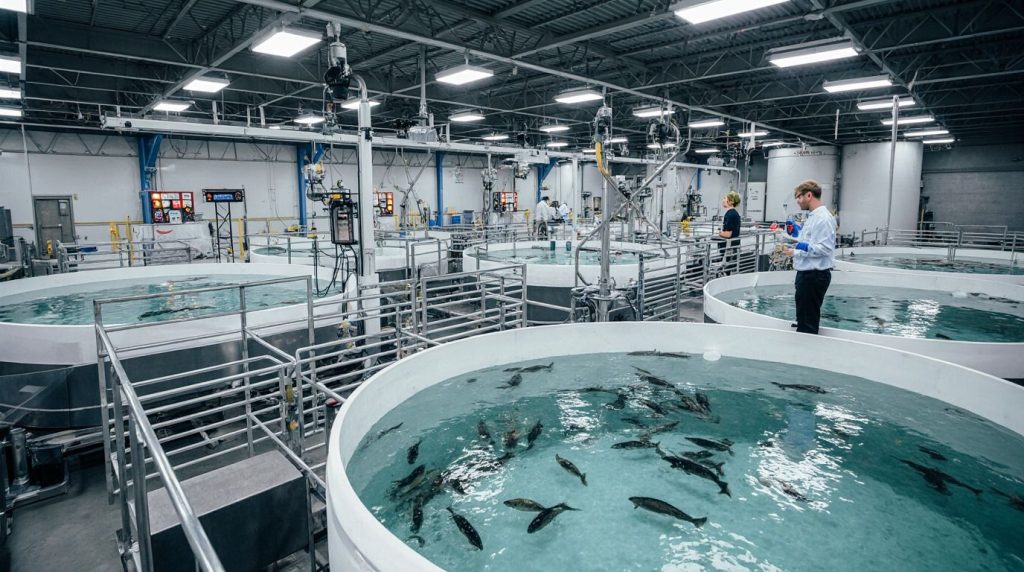
RAS Aquaculture represent a modern and sustainable method of fish farming. Unlike traditional aquaculture that relies on continuous water exchange with natural sources, RAS operates as a closed-loop system where water is filtered, treated, and reused. This approach significantly reduces water consumption, enhances biosecurity, and allows for precise control over environmental conditions such as temperature, oxygen, and waste levels. RAS is particularly suitable for areas with limited water resources or where environmental impact needs to be minimized. With growing concerns about sustainability and food security, RAS aquaculture is gaining popularity as a solution that balances efficient fish production with environmental responsibility. Despite its higher initial setup cost, the long-term benefits of RAS make it a promising choice for the future of aquaculture.
What is RAS Aquaculture?
RAS Aquaculture uses mechanical and biological filtration to continuously clean and reuse water within the system. Fish are raised in indoor tanks, and the water passes through filters that remove solid waste, excess nutrients, and harmful substances like ammonia. Beneficial bacteria play a key role in converting toxic compounds into safer forms. This highly controlled environment allows farmers to raise fish year-round, regardless of external weather conditions. RAS is suitable for farming various species such as tilapia, salmon, trout, and shrimp. In addition to water savings and environmental benefits, RAS also reduces disease outbreaks due to its closed nature. However, managing a RAS system requires technical knowledge and consistent monitoring. As technology advances and demand for sustainable seafood increases, RAS is expected to play a major role in the future of global aquaculture.
Advantages of RAS Aquaculture
Recirculating Aquaculture Systems (RAS) offer several advantages that make them increasingly popular in modern fish farming. One of the most significant benefits is water conservation, as RAS uses up to 90–99% less water than traditional systems. This makes it ideal for regions with limited freshwater resources. Additionally, RAS allows for precise control over environmental conditions such as temperature, oxygen, pH, and waste levels, which leads to faster growth rates and improved fish health. The closed-loop system also minimizes the risk of disease transmission from external sources, reducing the need for antibiotics. Furthermore, RAS facilities can be built almost anywhere, including urban or indoor settings, making them space-efficient and scalable. Finally, RAS contributes to environmental protection by reducing wastewater discharge and minimizing the impact on natural ecosystems. Together, these advantages make RAS a sustainable and efficient solution for the future of aquaculture.
Disadvantages of RAS Aquaculture
Despite its many benefits, RAS Aquaculture has some disadvantages that need to be considered. One major challenge is the high initial investment cost. Setting up a RAS facility requires expensive equipment, advanced technology, and skilled labor, which can be a barrier for small-scale farmers. Additionally, RAS systems require continuous monitoring and maintenance to ensure water quality and system functionality, making operational costs relatively high. The complexity of managing biological filtration and waste treatment demands technical expertise. Moreover, energy consumption in RAS aquaculture is typically higher compared to traditional methods, which can increase the environmental footprint if not managed sustainably. Lastly, while RAS reduces disease risk, if an outbreak occurs, it can spread quickly due to the recirculating water system. Therefore, despite its sustainability advantages, RAS aquaculture requires careful planning and resources to overcome these challenges.
Higher Efficiency in RAS Aquaculture
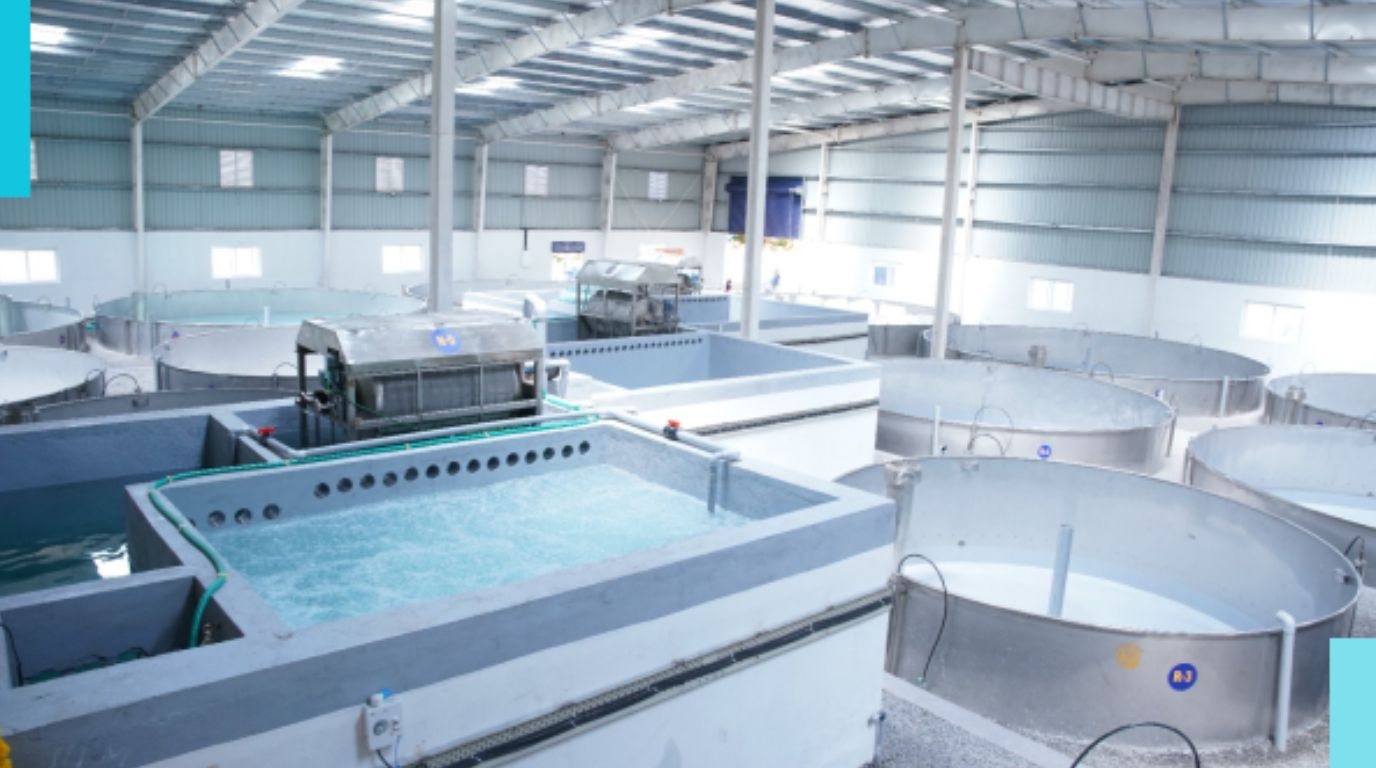
One of the key advantages of RAS Aquaculture is its higher efficiency compared to traditional fish farming methods. By recycling and continuously filtering the water, RAS minimizes water usage while maintaining optimal living conditions for fish. This precise control over environmental factors such as temperature, oxygen levels, and waste removal leads to faster growth rates and better feed conversion ratios. As a result, fish grow healthier and reach market size more quickly, increasing overall production efficiency. Additionally, the closed system reduces losses due to disease and stress, which further improves yield. RAS Aquaculture also allows for year-round production, independent of seasonal changes or external environmental pressures. These factors combined make RAS a highly efficient and sustainable method, capable of meeting the growing global demand for seafood without overexploiting natural water resources.
Challenge
Although RAS Aquaculture offers many advantages, it faces several unique challenges compared to traditional fish farming methods. One of the main challenges is the complexity of system management; operating a RAS requires specialized technical knowledge to maintain water quality, biological filtration, and equipment performance. Unlike traditional methods, where fish are grown in open ponds or cages, RAS demands constant monitoring and quick response to system fluctuations to prevent problems. Additionally, the high energy consumption for water circulation, filtration, and temperature control can be a significant operational challenge, especially in regions with expensive or unreliable electricity. Another challenge is the initial financial investment, which is higher than conventional setups, requiring careful economic planning. Finally, scaling RAS systems while maintaining efficiency and biosecurity poses logistical and engineering challenges that differ from extensive traditional farms.
Conclusion
Recirculating Aquaculture Systems (RAS) represent an innovative and sustainable approach to fish farming by recycling water in a closed-loop system. This method offers significant advantages, including substantial water savings, precise environmental control, reduced disease risk, and year-round production capability. RAS Aquaculture enables efficient and healthy fish growth while minimizing environmental impact. However, it also faces challenges such as high initial costs, technical complexity, and increased energy consumption. Managing RAS requires skilled labor and continuous monitoring to maintain optimal conditions. Despite these hurdles, RAS holds great promise for the future of aquaculture by providing a scalable, efficient, and eco-friendly alternative to traditional methods. As global demand for seafood rises, further technological advancements and economic strategies will be essential to make RAS more accessible and cost-effective for wider adoption.
Read More: Nanobubbles – A Revolution in Fish Farming and Water Quality Improvement